
The Benefits of Screen‑Free Learning in Early Childhood
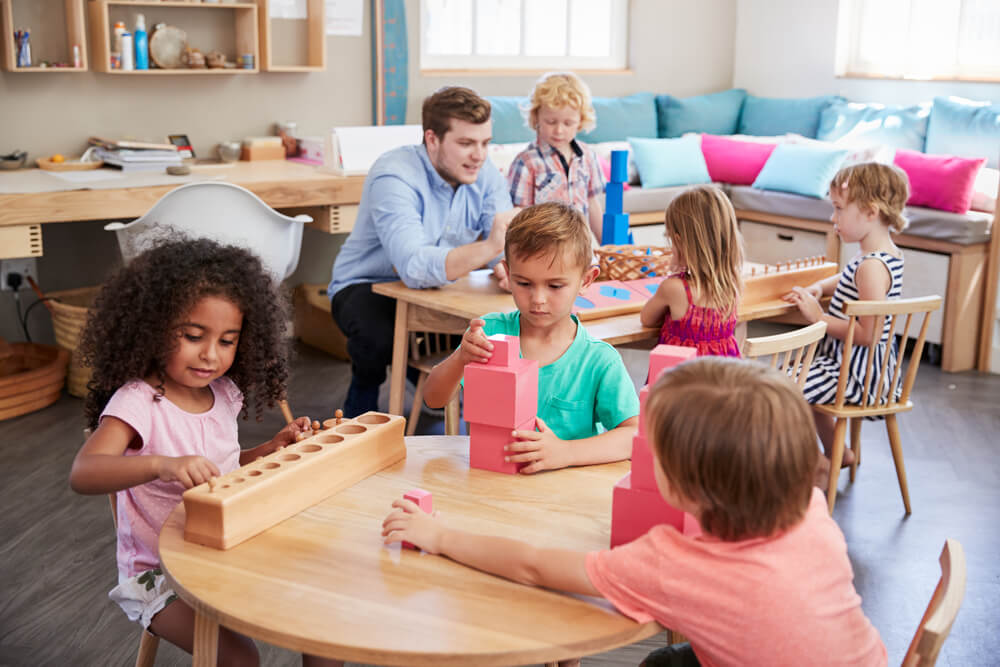
Children are growing up surrounded by screens, which often limits their ability to engage with the world around them. This reliance on digital devices can hinder the development of crucial skills like curiosity, communication, and self-assurance that are best cultivated through real-world interactions.
Imagine a child glued to a tablet, missing out on the joy of building a tower with blocks, the wonder of exploring nature, or the give-and-take of a conversation. This constant digital presence can lead to shorter attention spans, reduced social awareness, and a diminished intrinsic desire to learn through discovery.
Fortunately, there’s a powerful approach that champions a different path: screen-free learning. By embracing methods like Montessori education, we can empower young children to connect with physical materials, other people, and the natural environment. This emphasis on hands-on exploration, independent discovery, and purposeful play fosters concentration, social understanding, and a deep-seated love for learning that lasts a lifetime.
Understanding Screen‑Free Learning
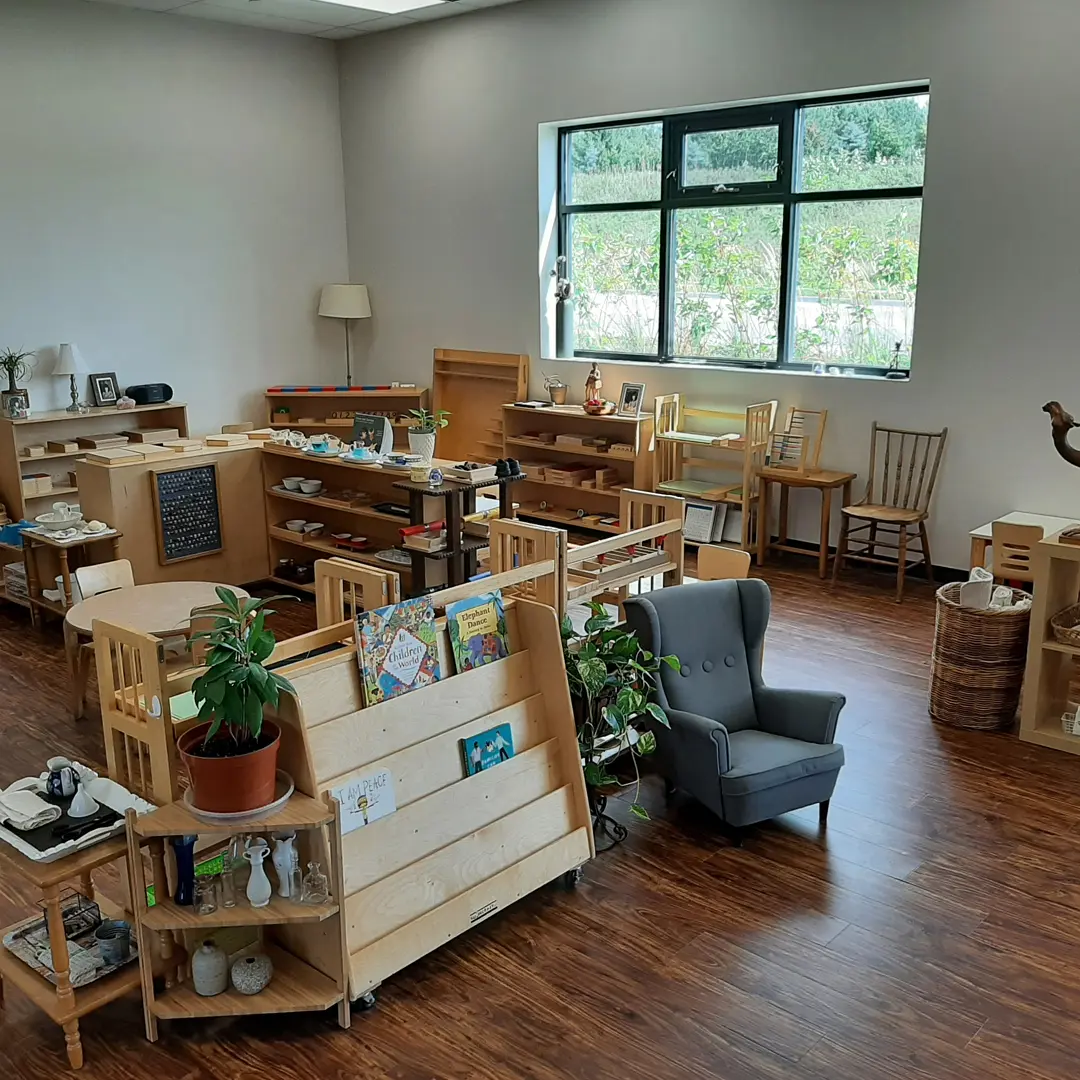
As a parent you’re bombarded by digital devices, apps and shows promising to teach your toddler. It can be tempting to hand over a tablet when you need a moment of calm. Yet research shows that the youngest learners do not efficiently learn from screens. Infants and toddlers have difficulty transferring new learning from a two‑dimensional screen to the real world and that they learn best through live, face‑to‑face interactions. When exposure is more than two hours a day for infants, researchers observed significant language delays. These delays occur partly because excessive media reduces the quality and quantity of parent–child interaction. If your goal is to nurture language, social skills and curiosity, screen‑free learning in early childhood is a better path. The Montessori education benefits of hands-on exploration and independence further reinforce this approach.
Limiting screens means giving your child rich experiences with people and objects. The American Academy of Pediatrics and Canadian Paediatric Society recommend no screen time for children under two, and for children aged two to five they suggest limiting routine or sedentary screen time to about one hour per day with an adult present. This guideline allows you to focus on play, conversation and real‑world exploration. Screen‑free learning in early childhood isn’t about removing all technology forever; it’s about understanding that your child’s brain forms connections most quickly when they are talking, moving and interacting with trusted adults.
Why Screen‑Free Preschool Benefits Your Child
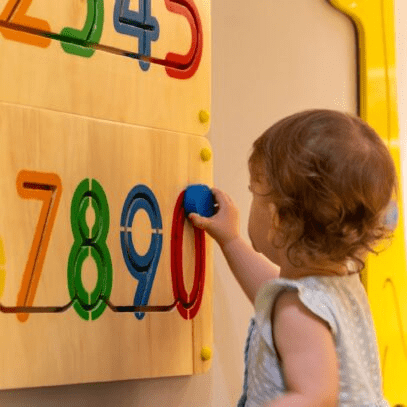
Choosing a preschool that prioritizes limited media use protects your child’s development. Multiple studies have demonstrated that heavy early screen exposure is linked to language delays, lower cognitive abilities and reduced executive function. Excessive viewing can also interfere with self‑regulation and social skills. A comprehensive review found that children who watch screens for two or more hours a day are more likely to exhibit behavioural problems and have poorer vocabulary than those who watch one hour or less. Screen‑free learning gives your child space to practice patience, empathy and turn‑taking with real peers.
Equally important are the screen‑free preschool benefits to physical development. When screens are off, your child has more opportunities to climb, run, dance and develop fine motor skills. Playful learning encourages the brain to form neural connections quickly; in early childhood, neural connections may form at a pace of up to a million per second. Active play also supports healthy sleep and reduces obesity and mental health risks associated with excessive screen time. A preschool environment that promotes screen‑free learning in early childhood therefore protects your child’s well‑being in ways that a tech‑heavy environment cannot.
Hands‑On Learning & Real‑World Skills
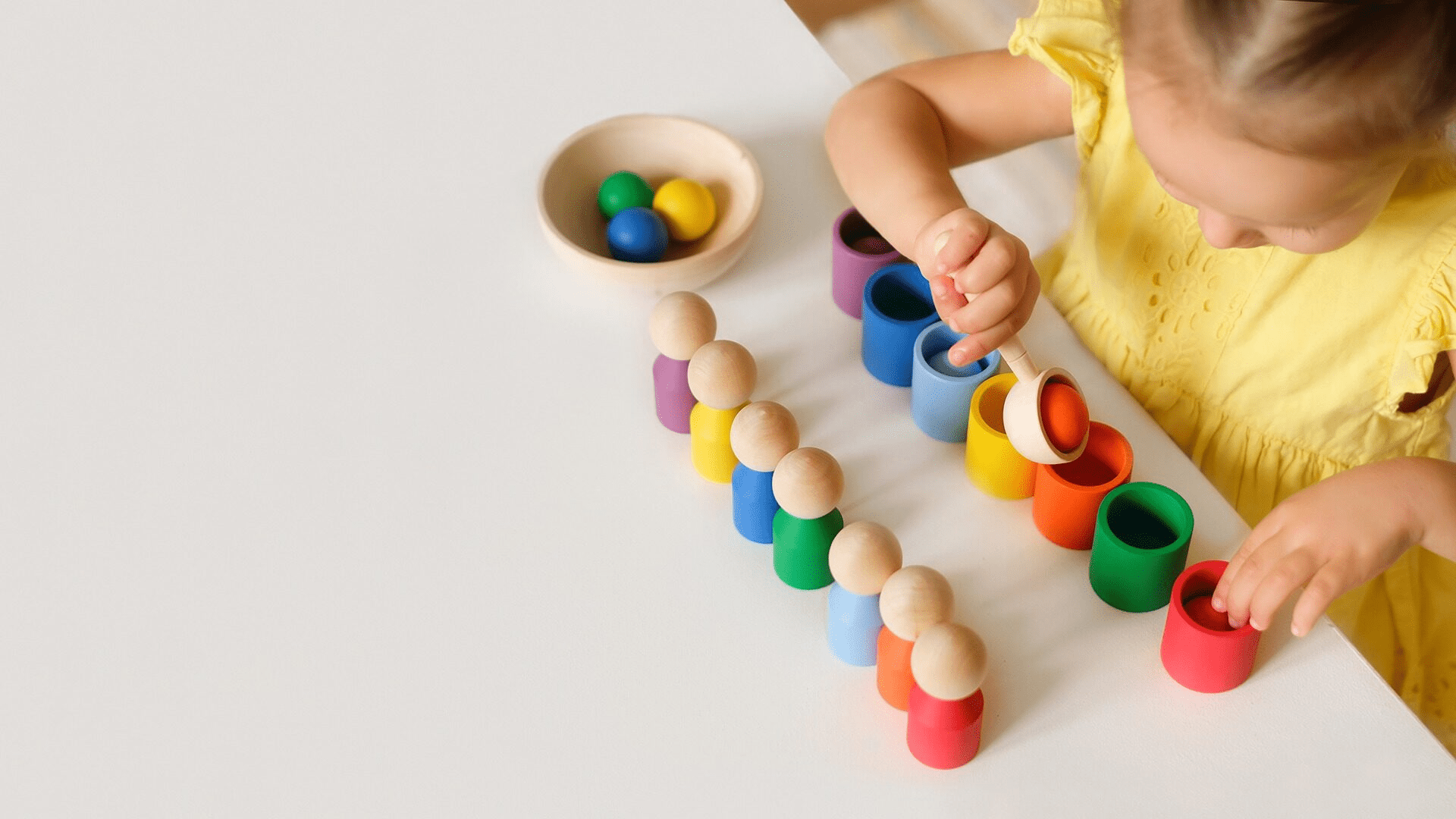
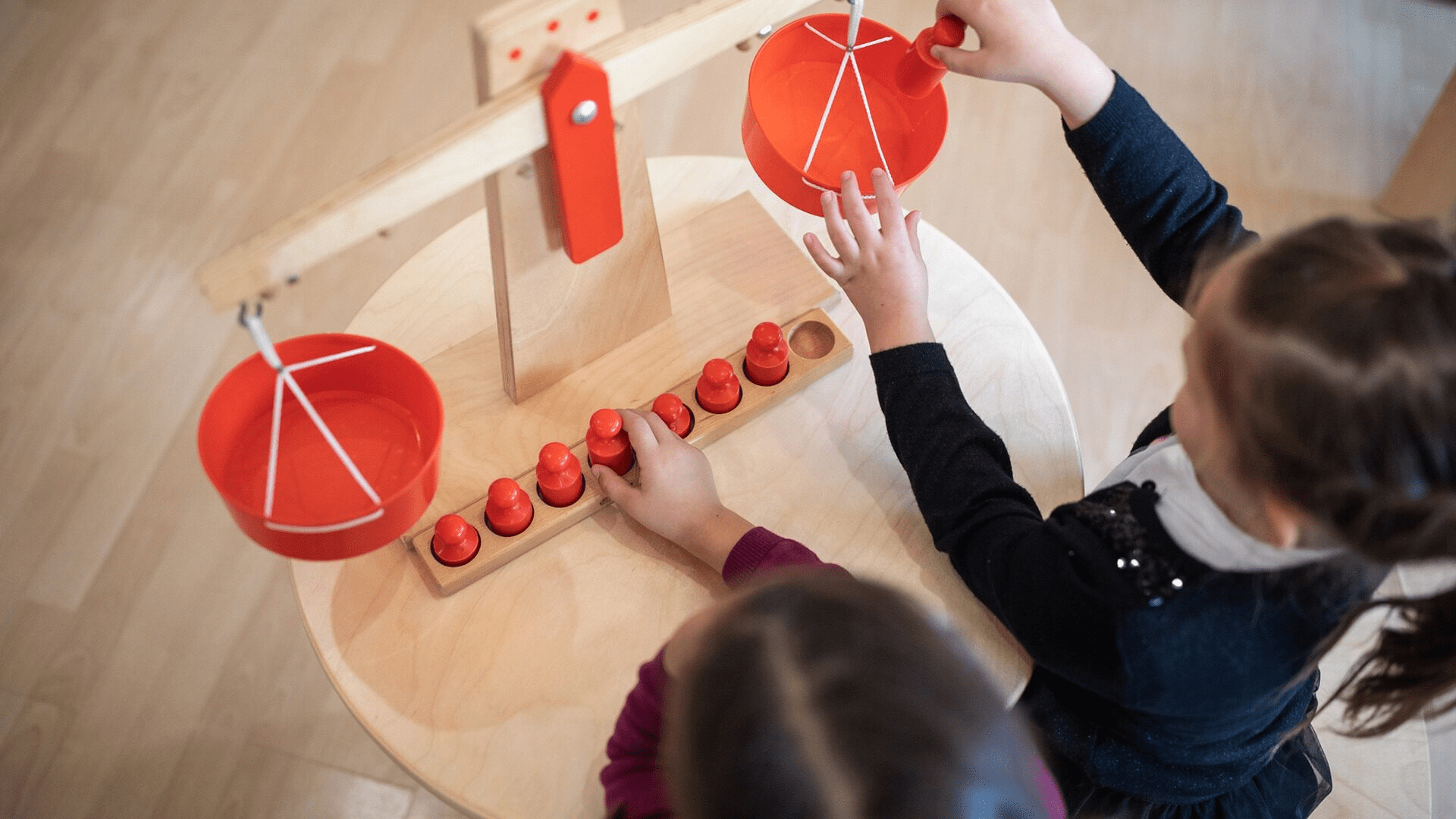
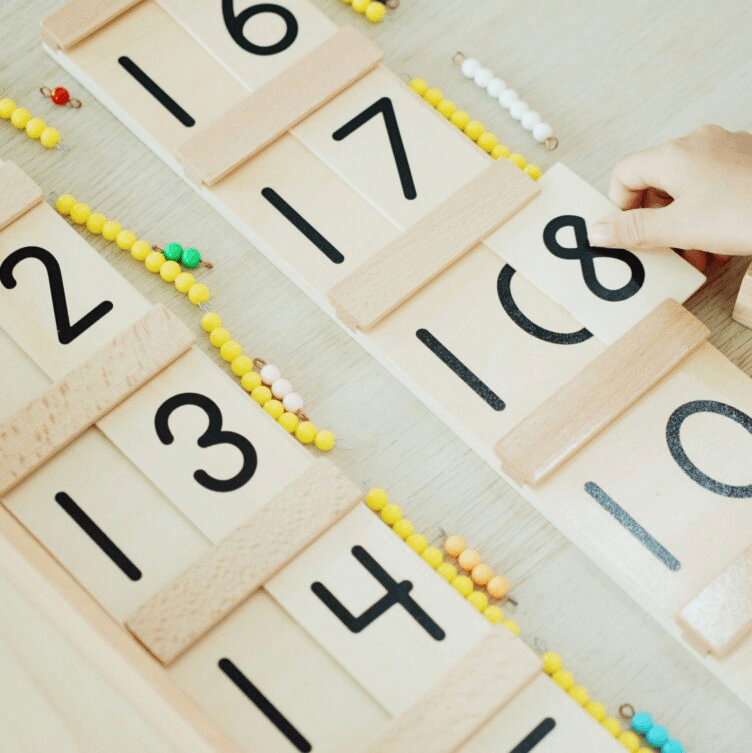
Young children learn best when they can touch, move and explore. Montessori classrooms and other play‑based program incorporate hands‑on materials that engage all five senses. The American Montessori Society explains that the prepared classroom allows children to work with specially designed manipulative materials that invite exploration and engage the senses. These materials include cylinders, knobbed puzzles, beads and real utensils, all designed to build fine motor coordination and introduce abstract concepts through concrete experiences. Students choose materials that interest them, strengthening motivation and responsibility.
Playful learning also has a strong research base. The National Association for the Education of Young Children notes that playful learning pedagogies support development across domains and increase learning relative to more didactic methods. When teachers design guided play experiences—such as turning a weather report into a science lesson—children learn more vocabulary and spatial reasoning than they do during free play. This approach links new concepts to ideas your child already understands and makes learning meaningful. Through screen‑free learning in early childhood, your child gains real‑world skills like pouring water, tying laces and counting objects; skills that digital apps cannot replicate.
Building Independence & Social Skills Without Screens
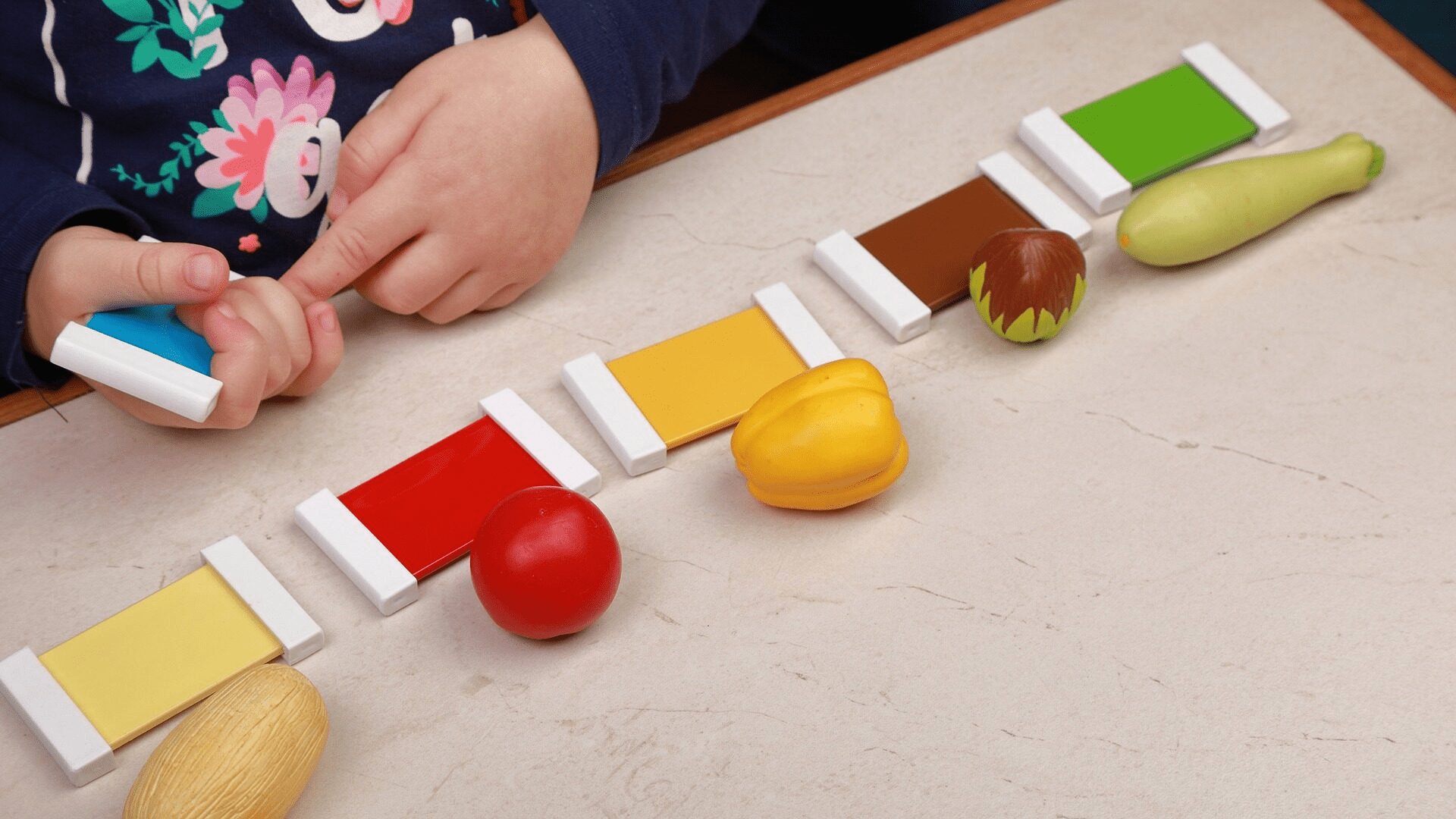
One of the gifts of screen‑free learning in early childhood is the chance for children to develop independence. In a Montessori Early Childhood classroom, learners select activities, work on them as long as they remain interesting and then put them away before choosing another activity. This cycle fosters coordination, concentration and a sense of order. Because each material is unique, children learn to wait patiently and respect others’ work. Multi‑age groups allow older children to mentor younger ones, building leadership and empathy.
Without the distraction of screens, social interactions flourish. Children learn to negotiate with peers, express emotions and resolve conflicts peacefully. Montessori’s practical life curriculum teaches daily‑life skills such as dressing, preparing snacks and caring for plants and animals. These tasks build independence and fine‑motor coordination and teach appropriate social interactions like saying please and thank‑you. When your child participates in a screen‑free learning in early childhood program, they practice patience and social responsibility every day.
How Montessori Approaches Screen‑Free Education
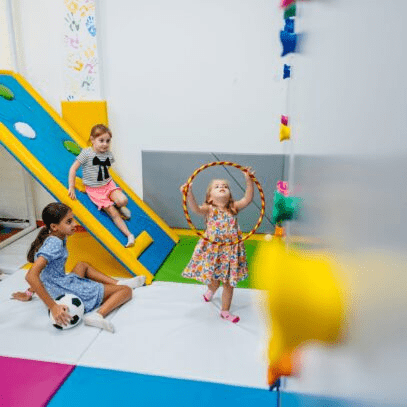
Dr. Maria Montessori developed a child‑centred approach that emphasizes self‑directed activity, hands‑on learning and collaborative play. In Montessori classrooms, children make creative choices in their learning while teachers guide and facilitate. Instead of passive screen viewing, students engage with tangible materials that build skills step by step. The youngest learners begin with practical tasks like using scissors, washing dishes and gardening to develop fine motor skills and hand‑eye coordination. Sensorial materials refine the five senses by isolating one sense at a time—for example, matching cylinders by sound. As children master these foundations, they move on to academic subjects with concrete materials that support abstraction
Montessori classrooms also offer uninterrupted blocks of work time during which children freely choose what they work on, where they work and how long they engage. This internal work cycle cultivates focus and autonomy. Because there are no extrinsic rewards such as grades, motivation remains intrinsic and children develop self‑discipline. A Montessori classroom typically includes multiple age groups, allowing older children to mentor younger ones and providing many opportunities to practice leadership and collaboration. At the Kindergarten leadership year, students act as role models and consolidate their learning by teaching concepts to peers.
At Montessori School of Wellington your child enjoys these benefits within a unique context. As the only accredited Montessori school in Wellington County, the school offers an authentic curriculum guided by trained educators. Because the school is family‑owned and operated for 30 years, it provides a warm, nurturing environment where traditions and care matter. The classrooms are fully equipped for hands‑on, real‑world learning, enabling children to explore, build confidence and simply be kids. By keeping technology out of the classroom, the school focuses on screen‑free learning in early childhood and prepares children for life beyond school with patience, social skills and resilience. If you value these qualities, a Montessori program may be the right fit for your family.
Practical Tips For Screen‑Free Learning At Home
You don’t need a formal program to support screen‑free learning in early childhood. Here are practical ideas you can adopt at home:
- Create screen‑free routines: Establish predictable times of day when all devices are off, such as during meals, outdoor play and the hour before bedtime. Consistent routines help your child know what to expect.
- Designate screen‑free zones: Keep tablets and phones out of your child’s bedroom and play areas. Use baskets or drawers to store devices out of sight.
- Offer engaging alternatives: Fill your home with books, puzzles, blocks, dress‑up clothes, art supplies and outdoor toys. When your child is bored, invite them to choose an activity. Guided play with you builds language and vocabulary.
- Model balanced media use: Children learn by watching you. Put your phone away during family time and narrate what you are doing when you must use a device.
- Use co‑viewing wisely: When you do allow screen time, choose high‑quality, age‑appropriate content and sit with your child. Talking about what you are watching helps connect it to real life.
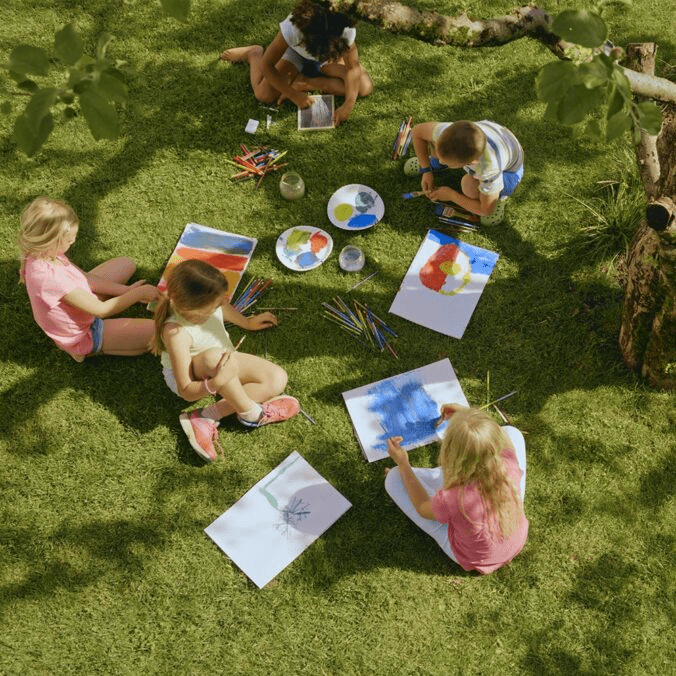
- Encourage outdoor and sensory play: Spend time in nature, dig in the garden, bake together or dance to music. These activities develop gross and fine motor skills and inspire curiosity.
- Connect with other families: Organize playdates, join parent groups or swap screen‑free activity ideas. Sharing experiences will motivate you to keep up your commitment.
By incorporating these practices, you demonstrate that screen‑free learning in early childhood can be joyful and achievable.
Choosing The Right Screen‑Free Preschool
- Prioritize play and exploration: Classrooms should feel like home with child‑sized furniture, accessible materials and cozy reading corners. Teachers should encourage children to care for materials and clean up after themselves.
- Employ trained educators: Montessori or play‑based teachers receive extensive training to observe each child’s interests and readiness and to introduce lessons at the right moment.
- Value mixed‑age groups: Multi‑age classrooms promote mentoring and leadership.
- Limit screen use: Ask how often screens are used. In a screen‑free learning in early childhood environment, technology is deliberately absent or used only for occasional group activities.
- Encourage parental involvement: Programs invite parents to observe, volunteer or attend workshops to foster community and transparency.
Don’t hesitate to visit classrooms, observe children at work and talk with teachers about their philosophy. Your goal is to find a place where screen‑free preschool benefits align with your child’s needs.
screen-free preschool benefits: Looking Ahead
As you guide your child through early years, remember that habits formed now shape attitudes for life. Screen‑free learning in early childhood offers your child the gift of curiosity, concentration and resilience. Research shows that children learn most effectively through live, responsive interactions, and too much screen exposure can harm language and social developmen. By choosing a school and home environment that embrace play, hands‑on exploration and authentic relationships, you give your child the best foundation.
Montessori School of Wellington exemplifies this philosophy. As an accredited, family‑owned program that has served families for three decades, it provides a dependable, experience‑oriented environment where children thrive without screens. The classrooms encourage independence, confidence and social grace.
When you’re ready to see these benefits for yourself, please get in touch to learn more about how a screen‑free learning in early childhood environment can enrich your child’s future.
Summary
In today’s digital world, it’s easy to rely on devices for entertainment and education, but research shows that babies and toddlers learn best through live, face‑to‑face interactions. High screen exposure is linked to language delays, attention issues and lower cognitive abilities. Screen‑free learning in early childhood focuses on real‑world experiences, playful learning and hands‑on materials. This approach nurtures independence, social skills and curiosity, and it lays the groundwork for later academic success. The screen‑free preschool benefits include better language development, stronger social skills and healthier physical growth. By limiting screens at home and choosing a preschool like Montessori School of Wellington that prioritizes play and exploration, you help your child thrive.
Tags: