
Montessori Practical Life Skills For Toddlers and CASA

Children possess an innate curiosity and a boundless desire to interact with their environment. However, their natural inclination to explore and experiment often encounters obstacles due to their developmental stage, preventing them from acting as independently as they wish. This discrepancy between their drive and their capabilities can be a source of considerable frustration for both the child, who yearns for autonomy, and the parent, who observes their child’s struggles. More significantly, these limitations can impede the natural progression of developing essential life skills, such as problem-solving, self-care, and decision-making, which are crucial for their future growth and well-being.
The Montessori educational philosophy offers a profound solution to this challenge by thoughtfully transforming everyday interactions and environments into rich opportunities for meaningful cognitive, social, and emotional development. At its core, the Montessori approach emphasizes providing meticulously designed, age-appropriate, and hands-on activities. These activities are not merely diversions but carefully crafted tools that enable children to engage directly with their world in a way that is both stimulating and conducive to deep learning. Through repeated engagement with these materials and activities, children naturally begin to cultivate vital skills. They develop enhanced concentration as they focus on intricate tasks, refine their fine and gross motor movements through practical life exercises, and, perhaps most importantly, build a robust sense of accomplishment as they master new skills independently. This foundational experience of success and self-reliance not only fosters a deep and enduring sense of independence but also powerfully ignites a lasting passion for discovery, exploration, and lifelong learning, setting the stage for confident and capable individuals.
Why Montessori Practical Life Skills Matter For Toddlers
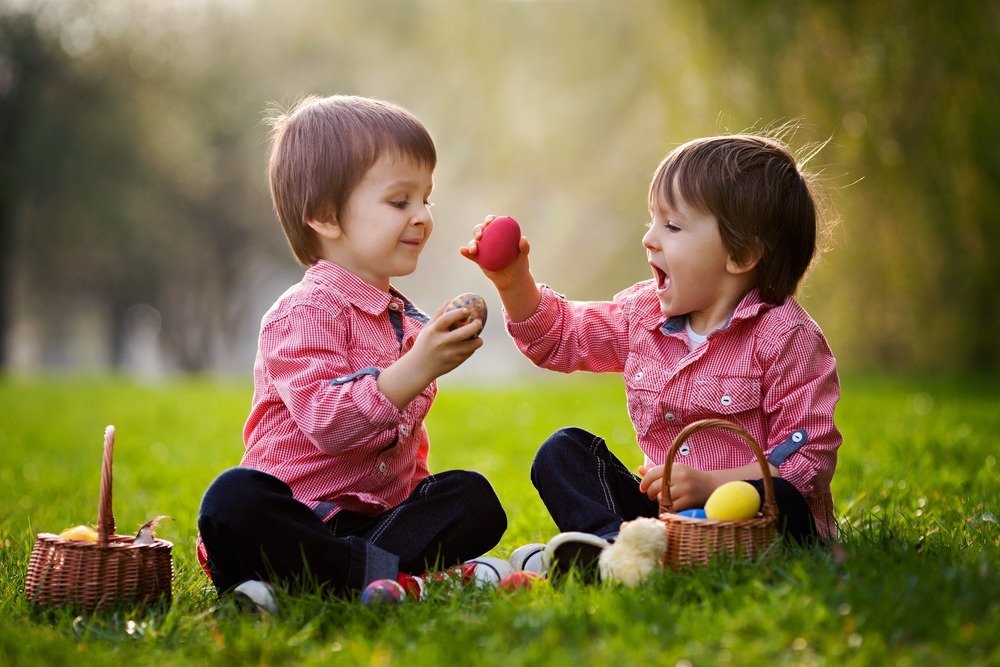
Toddlers are naturally curious and eager to help with everyday tasks. The Montessori practical life skills approach supports this by allowing them to engage in real-world activities that build independence, confidence, and a sense of responsibility.
In Montessori education, practical life includes everyday tasks like washing hands, preparing snacks, and caring for plants. These activities build motor skills and self-reliance while teaching patience and focus. The broader Montessori education benefits extend beyond daily routines—helping children develop lifelong confidence, concentration, and a genuine love for learning through real-world experiences.
A “Practical Life Activities At Montessori” List For Your Child
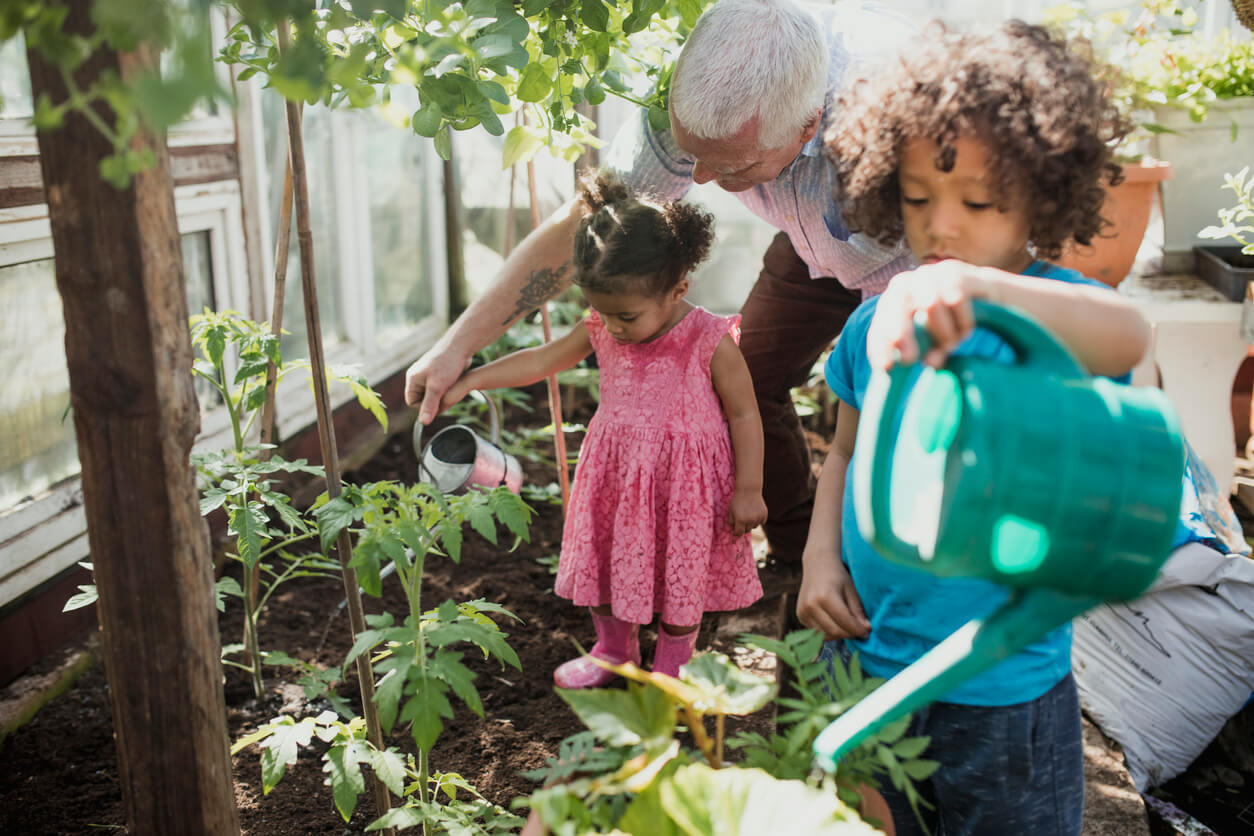
Montessori practical life activities are organized into categories that cover care of self, care of the environment, grace and courtesy, and preliminary exercises. Below is a practical life activities at Montessori list you can introduce at home or look for in a classroom:
- Cooking and eating: Pouring water, spooning dry beans, peeling fruit and preparing snacks teach children to make and eat food independently.
- Care of the environment: Tasks like wiping spills, watering plants and tidying toys help toddlers respect their surroundings.
- Care of self: Dressing, washing hands, brushing teeth and combing hair encourage personal hygiene and independence.
- Grace and courtesy: Saying “please” and “thank you,” greeting others and taking turns foster kindness and good manners.
- Preliminary exercises: Pouring water, transferring objects with spoons or tongs and opening or closing containers refine hand‑eye coordination and dexterity.
These tasks may look simple, yet they build strong neural pathways. For example, pouring water from one pitcher to another develops control of movement and sets the stage for later science experiments or mathematics. When your toddler practices these skills regularly, they build the foundation for more complex tasks.
Cultivating Independence & Confidence
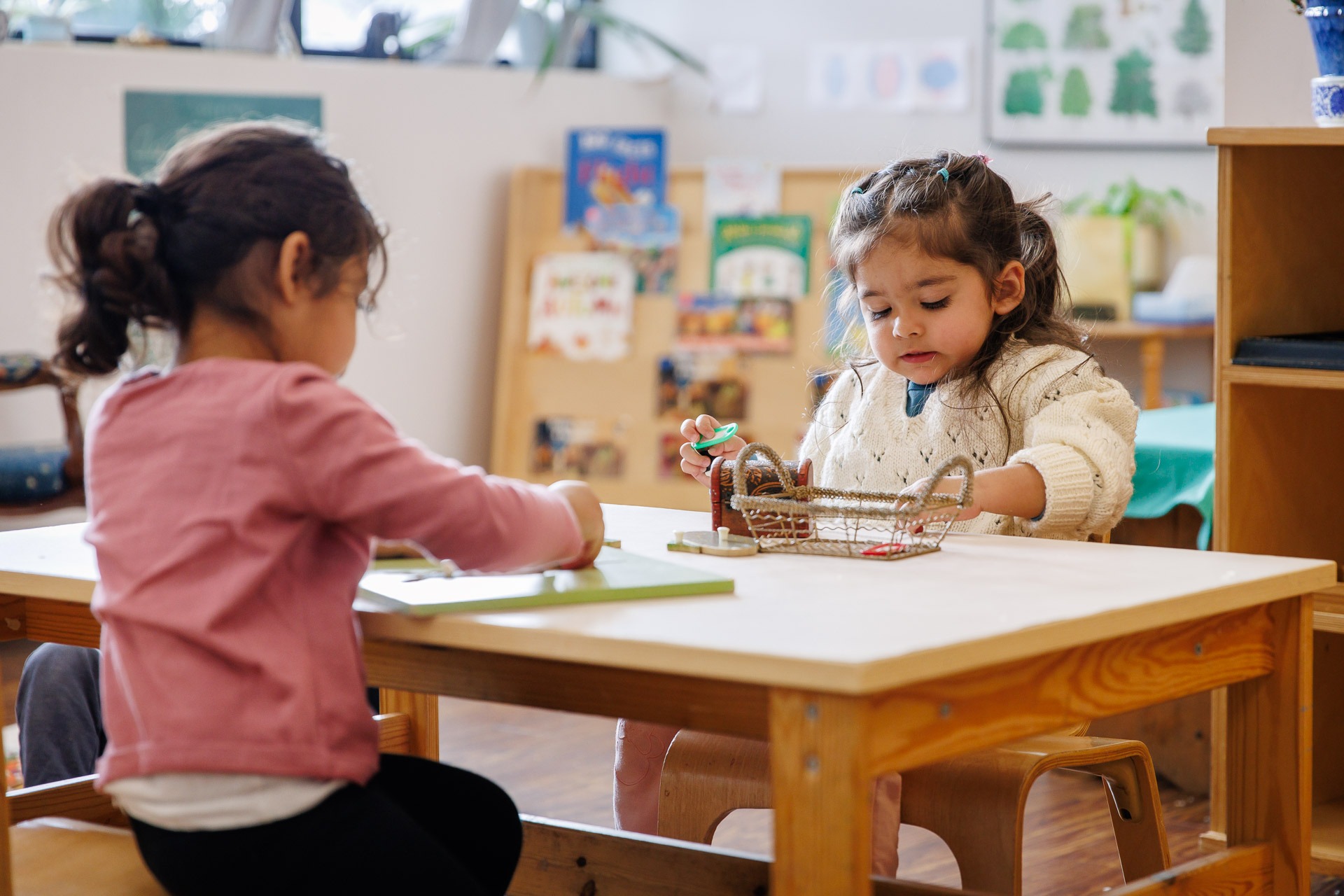
Toddlers who are trusted with meaningful work become confident. Through Montessori practical life skills for toddlers, children take charge of their learning. A child who learns to get dressed, prepare snacks or tidy up feels responsible and capable. When children can choose what to do and work at their own pace, they also learn self‑control.
Maria Montessori believed independence is the essence of childhood. When children do things for themselves, they gain confidence, resilience, and creativity. Research shows Montessori students often perform better academically and socially, thanks to an environment that fosters trust and hands-on learning.
Beyond academics, practical life skills build fine motor control and focus. Activities like buttoning shirts or pouring beans strengthen hand muscles for future writing and teach persistence. Each success boosts your child’s confidence and motivation to learn.
Care Of Self: Helping Your Child Master Daily Routines
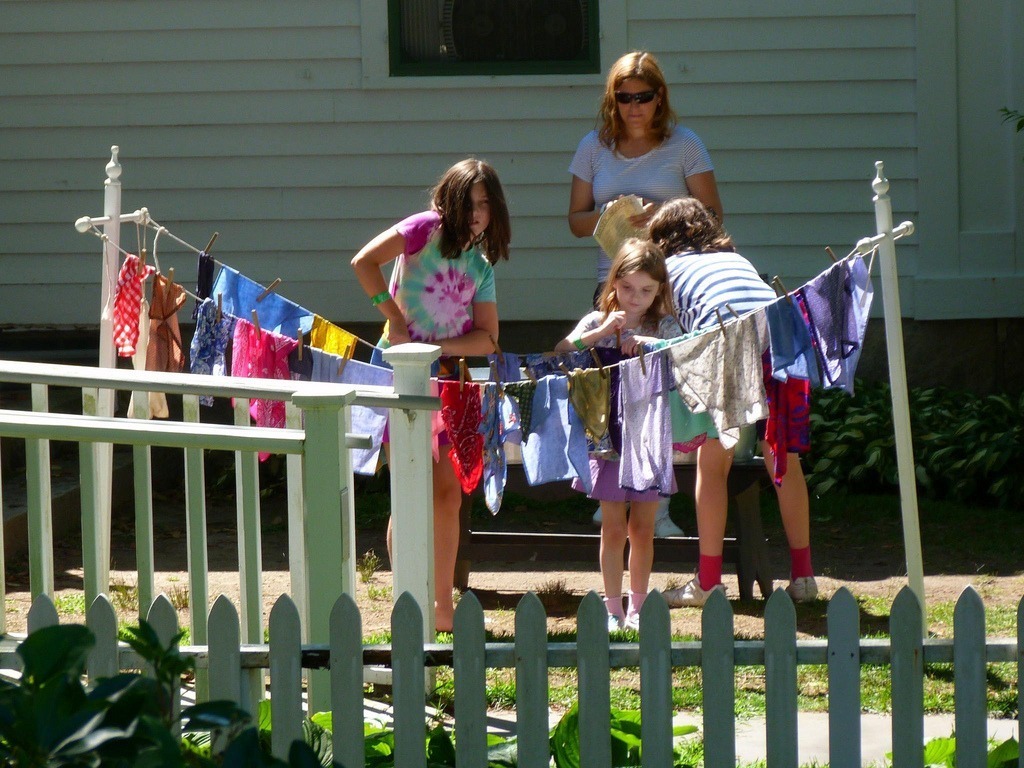
Young children often want to “do it myself.” The curriculum encourages care‑of‑self activities. Here’s how you can support this at home:
Dressing Skills
- Provide child‑sized clothing with large buttons, zippers or Velcro so your toddler can practice dressing themselves. According to the American Montessori Society, children learn daily‑life skills like getting dressed and preparing snacks.
- Sit with your child and demonstrate how to zip a jacket or button a shirt. Let them practice without rushing. Celebrate each small success.
Personal Hygiene
- Teach hand washing by modelling how to lather soap and rinse thoroughly. In the Montessori environment, children learn to wash hands and care for their bodies.
- Encourage independent tooth brushing and hair combing. Use a stool so your child can reach the sink.
Preparing Snacks
- Invite your child to peel a banana or spread butter on bread. These tasks refine fine motor skills and give them control over their eating habits.
- Use child‑sized utensils to promote independence. Show them how to tidy up when done.
By engaging in these daily routines, your toddler develops body awareness and self‑esteem. They learn that they are capable of meeting their own needs.
Care Of The Environment: Respecting Their Surroundings
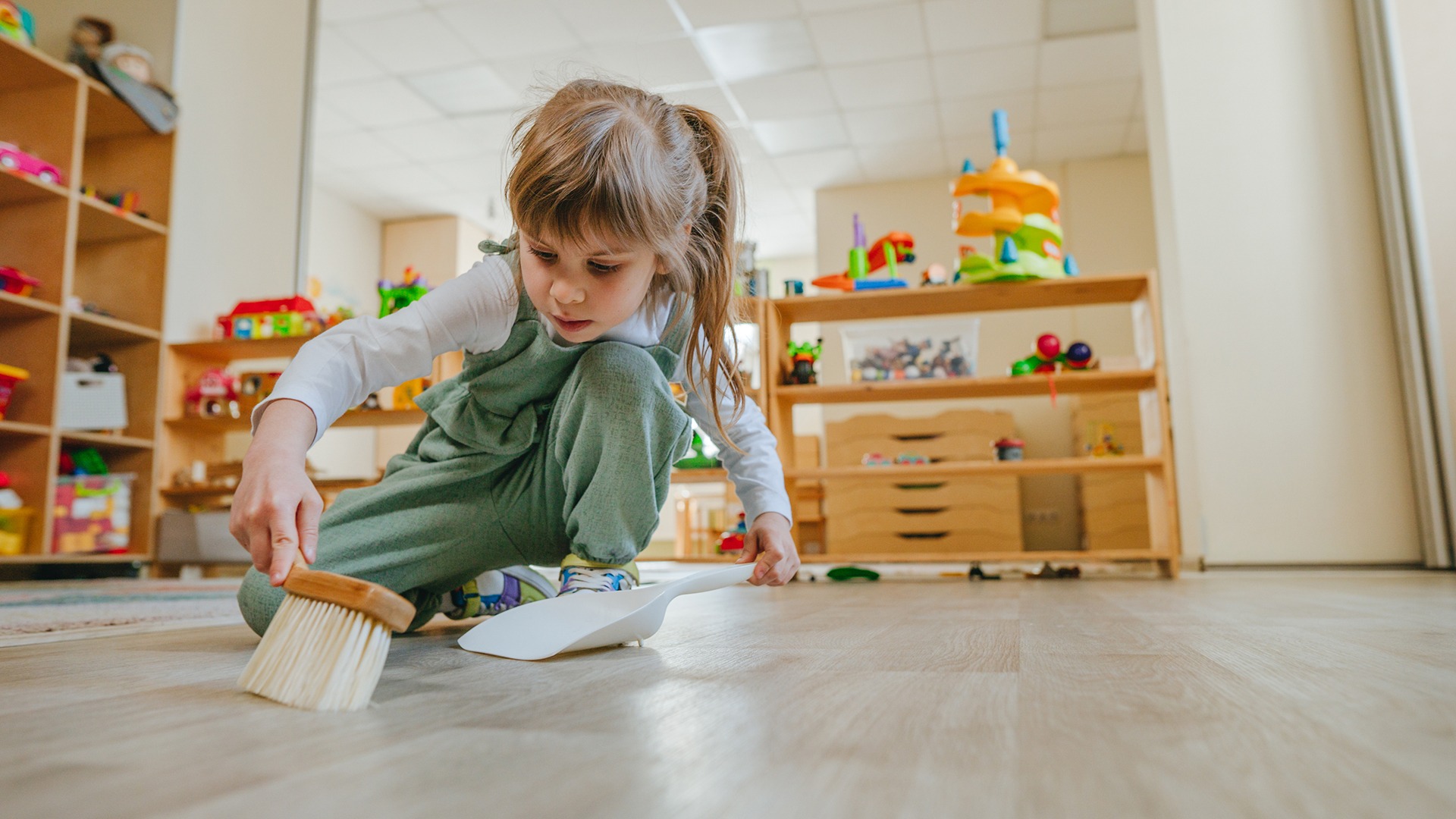
Montessori philosophy teaches respect for the environment. Toddlers learn that maintaining a clean and ordered space benefits everyone. Practical life activities at Montessori classrooms include:
- Cleaning up spills: Providing a small sponge or cloth allows children to wipe spills. Let them practice at home when water or milk spills.
- Watering plants: Caring for houseplants teaches responsibility and appreciation for nature. In school, children learn to care for plants and animals.
- Tidying up toys: Returning toys to their proper place after play fosters order and organization.
Montessori teachers note that such activities instil a sense of order and care for the environment. Children learn that every item has a place and feel satisfied when their space is neat. This habit transfers to other areas of their life.
Grace & Courtesy: Social Skills For Everyday Life
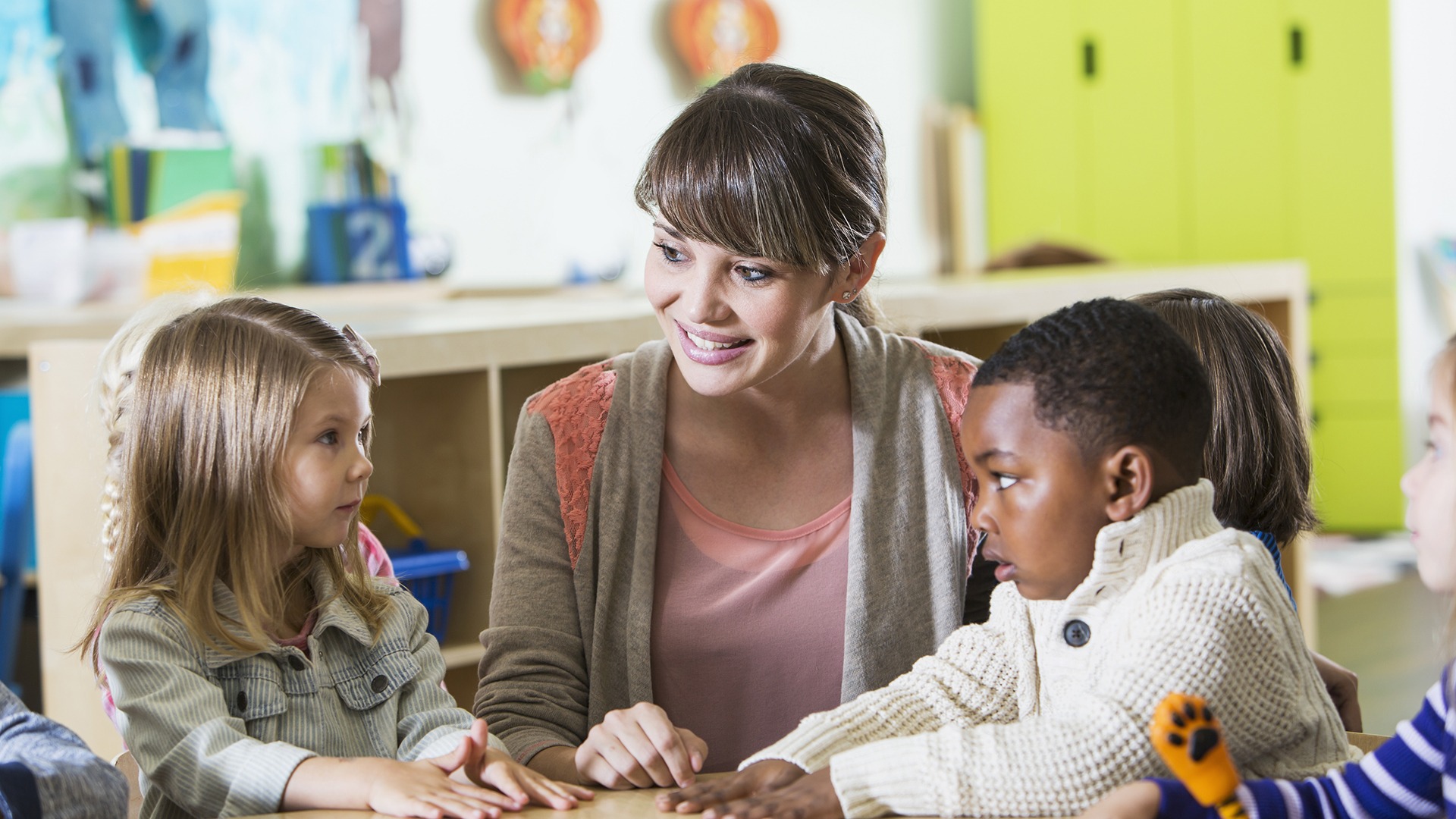
Human interactions are an integral part of a Montessori classroom. Grace and courtesy lessons teach toddlers to be polite, respectful and cooperative. When children practice these skills, they develop empathy and emotional intelligence. Consider incorporating the following:
- Polite language: Role‑play scenarios where your child says “please” and “thank you” when requesting items, and practices how to politely interrupt when they need your attention.
- Greetings: Encourage eye contact and a friendly greeting when meeting someone.
- Practicing the Waiting Hand: Children learn to place their hand gently on the adult’s arm or side when they need attention and wait patiently until the adult is ready to respond. This helps them practice self-control, respect, and effective communication.
These skills help toddlers navigate social situations and build relationships. Montessori education nurtures social and emotional intelligence and teaches children to respect others. As a parent, modelling respectful interactions at home reinforces what they learn in class.
Preliminary Exercises: Building Fine Motor Skills
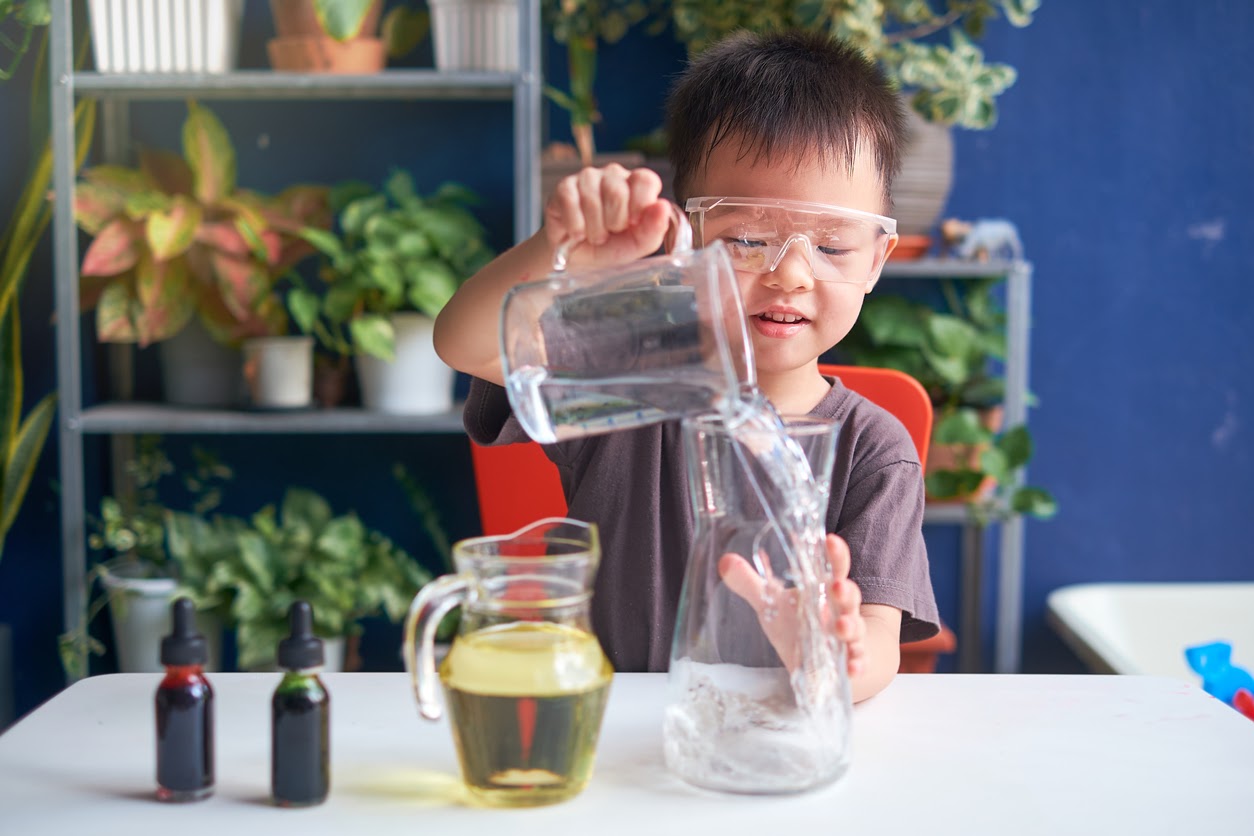
Preliminary exercises are foundational tasks that prepare toddlers for more complex activities. They focus on refining coordination, strength and control. Examples include:
Pouring & Transferring
- Provide a small pitcher and cups so your child can practice pouring water. This activity enhances hand‑eye coordination and teaches them to judge volumes.
- Encourage your toddler to transfer beans or rice from one bowl to another using a spoon. These simple actions strengthen the small muscles in the hands and wrists.
Opening & Closing Containers
- Offer jars or boxes with lids of varying sizes. Opening and closing them builds finger strength and dexterity.
- Gradually introduce containers with more complex closures as your child’s skills improve.
Folding & Sorting
- Folding socks is an excellent way to teach matching and organization. Start with a few pairs and gradually increase the challenge.
- Sorting utensils or pairing shoes develops categorization skills and orderliness.
These exercises may appear basic, yet they lay the groundwork for writing, drawing and problem‑solving. Through repetition, toddlers gain control over their movements and attention spans.
Choosing A Montessori School In Wellington County
When selecting a school for your toddler, it’s important to find a program aligned with authentic Montessori principles. Montessori School of Wellington in Wellington County stands out for several reasons:
- Only Accredited Montessori School Nearby: This school is the only accredited Montessori school in the county, ensuring that the program follows recognized standards. Accreditation means trained teachers, appropriate materials and a prepared environment that supports Montessori practical life skills for toddlers.
- Family‑Owned And Operated For 30 Years: With three decades of experience, the school offers a warm, nurturing atmosphere rooted in family values. A family‑run school fosters continuity and trust, giving your child a sense of belonging.
- Hands‑On, Real‑World Learning: Classrooms are equipped with materials that invite children to explore practical life skills through real work. From pouring water to setting tables, children build competence by doing.
- Preparing Children For Life: The curriculum develops patience, social skills and resilience, building a foundation beyond academic achievement. The emphasis on independence, responsibility and courtesy prepares children for life outside school.
- Technology‑Free, Back‑To‑Basics Education: In a world saturated with screens, this school provides a space where children can engage with the real world. By focusing on hands‑on experiences, toddlers cultivate creativity and genuine connections rather than passive consumption.
Montessori School of Wellington encourages parents to ask questions. Why do we do it this way? Because children learn best when they are active participants, not passive receivers. Why is that important? Because confidence, patience and social understanding develop through doing.
Building A Strong Foundation For Life
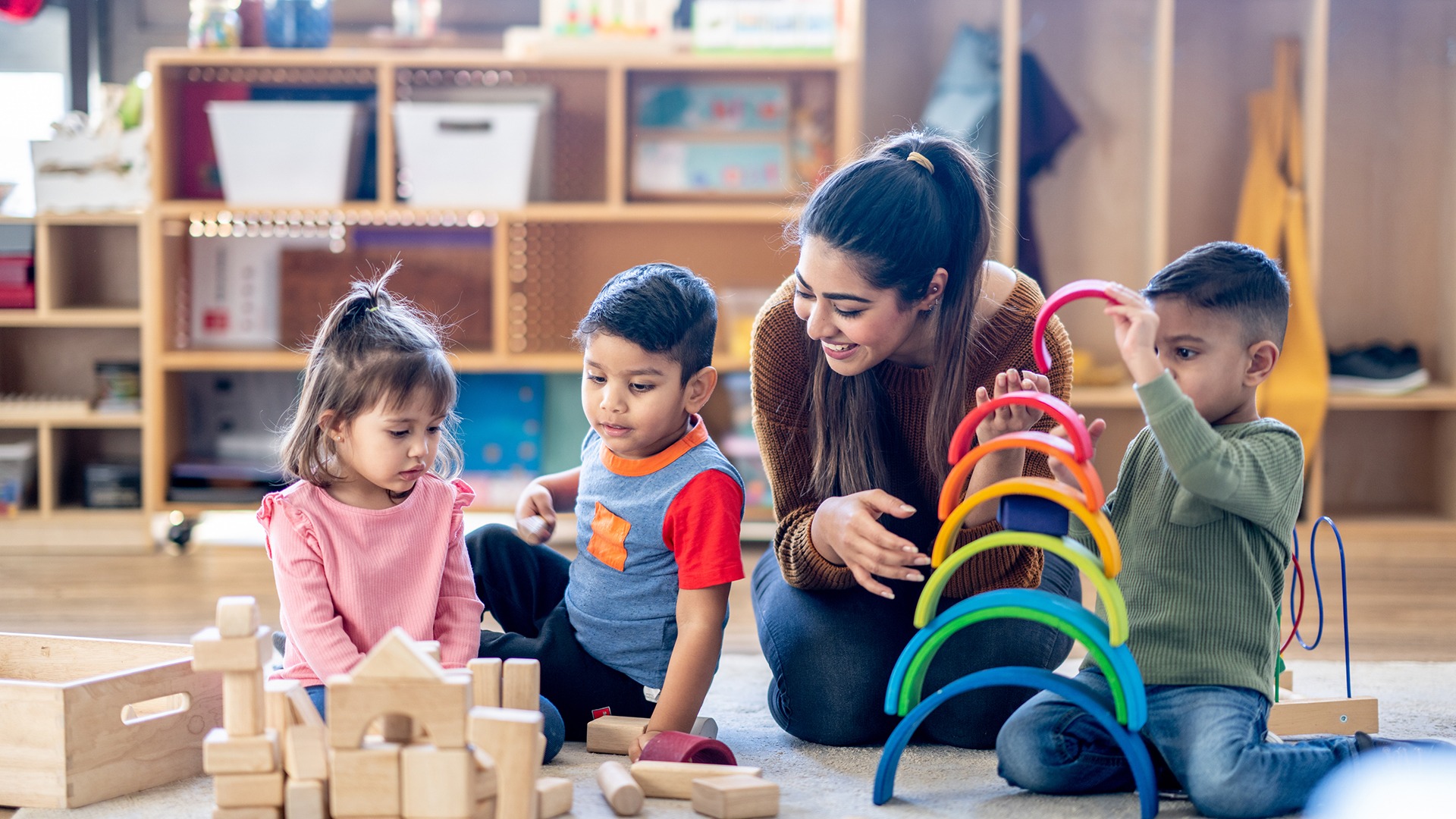
Montessori practical life skills for toddlers do more than teach children to pour water or button shirts. They build concentration, fine motor skills, self‑confidence and a sense of responsibility. When children help care for themselves and their environment, they see themselves as capable members of the community. They also gain a base for academic learning: counting beads teaches early math concepts, and grace and courtesy lessons expand vocabulary.
The method’s impact extends into adulthood. Studies show that children educated in Montessori environments perform better on academic assessments and exhibit greater creativity and social skills. By focusing on the whole child, Montessori education prepares young people to adapt, collaborate and think critically; qualities essential in the modern world.
Getting Support On Your Journey
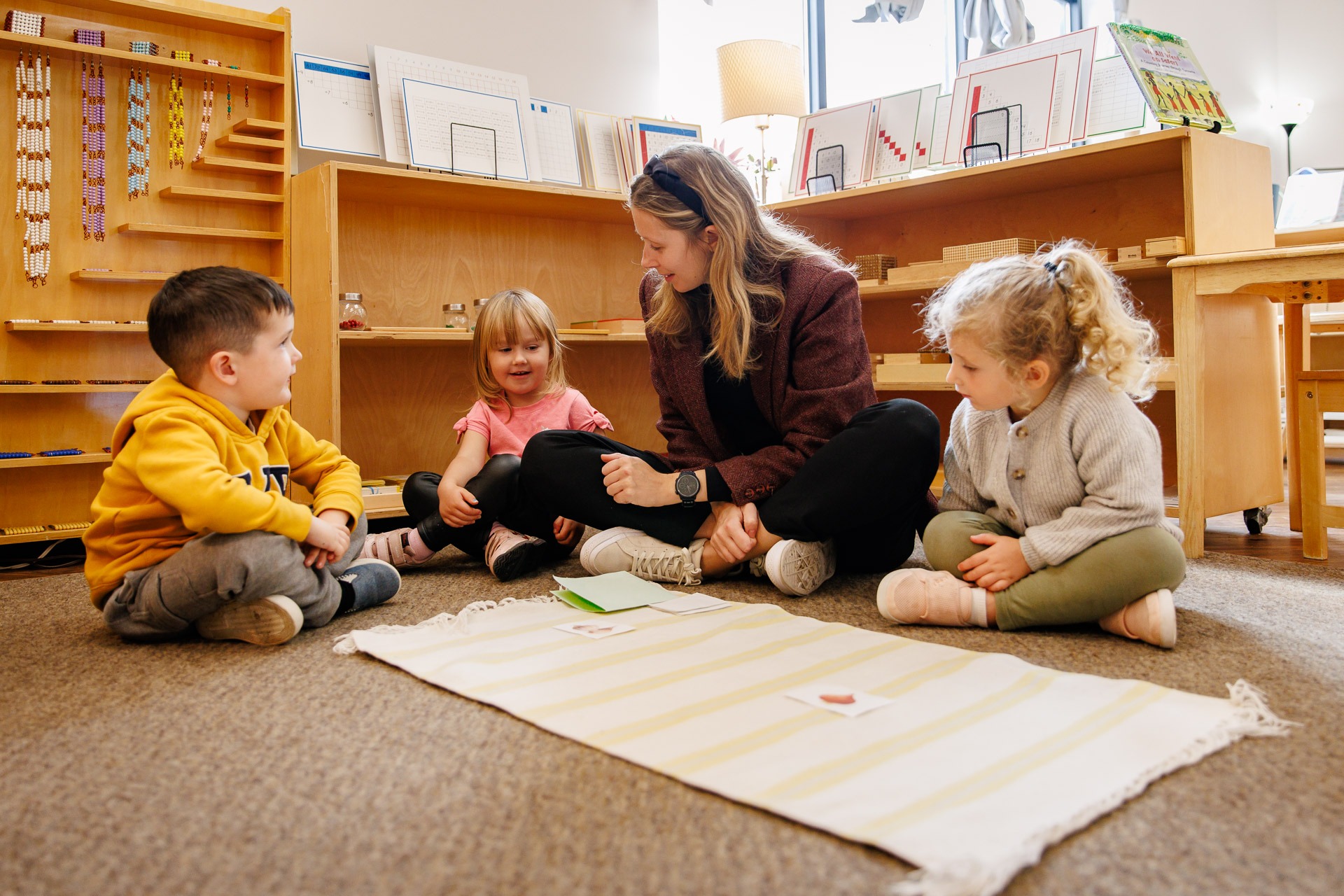
If you’re ready to introduce Montessori practical life skills for toddlers, start by creating a home environment where your child can participate in simple daily tasks. Use child-sized tools, be patient, and celebrate progress. For families in Wellington County, the Montessori School of Wellington offers an accredited, family-run program that builds independence, confidence, and resilience through hands-on learning.
Get in touch for a visit or book a consultation with the Montessori School of Wellington to learn more about its authentic Montessori approach and see how it can support your child’s growth and curiosity.
Summary
This blog explored Montessori practical life skills for toddlers and how these exercises foster independence, confidence and fine motor development. The practical life activities at Montessori list includes cooking, caring for the environment, personal hygiene, grace and courtesy lessons and preliminary exercises like pouring and transferring. These tasks teach children to care for themselves and their surroundings while developing concentration and motor control.
Research shows that practical life activities promote self‑reliance and social skills, and Montessori‑educated children often excel academically and creatively. The Montessori School of Wellington, the only accredited Montessori school in the county, offers a family‑run, technology‑free environment where toddlers can master these skills through hands‑on learning. For parents seeking an authentic Montessori experience, this approach nurtures the whole child and lays a strong foundation for future success.
Tags: