
A Guide to Independent Learning in Montessori Kindergarten
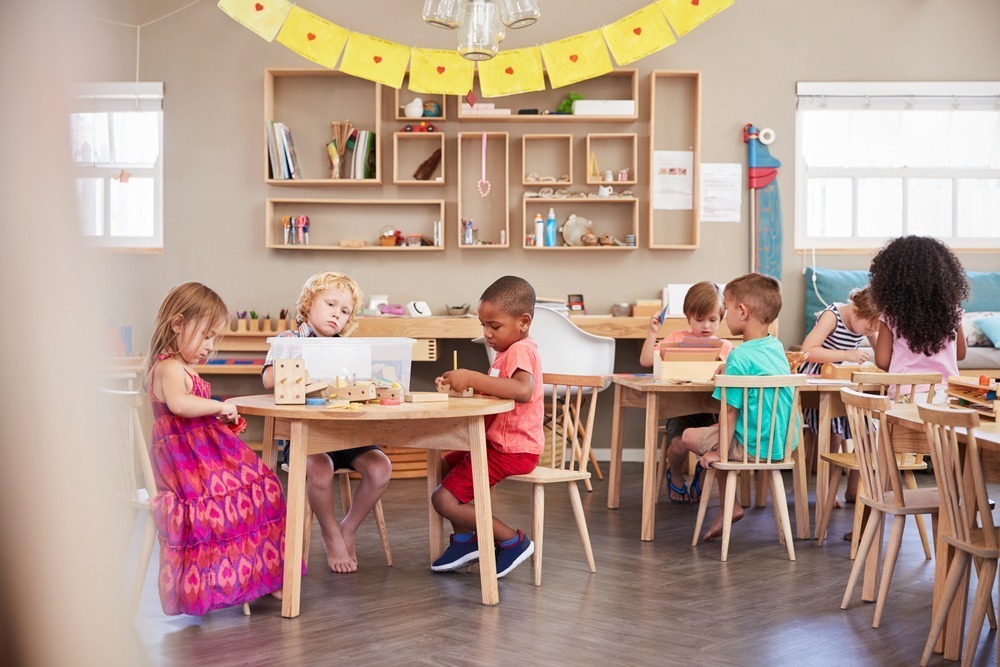
Are you concerned your child’s kindergarten experience might stifle their natural curiosity and desire to explore? Many traditional programs, with their rigid structures and emphasis on rote learning, can inadvertently limit a child’s inherent drive to discover and understand the world around them.
Imagine a learning environment where your child’s unique pace and interests are not just accommodated but celebrated. Montessori kindergarten offers a different path, one where children lead their own learning journey through independent, hands-on activities. With a carefully prepared environment and a focus on self-discipline, curiosity, and confidence, authentic Montessori programs equip children with essential life skills from their very first steps in education.
The Search For The Right Beginning
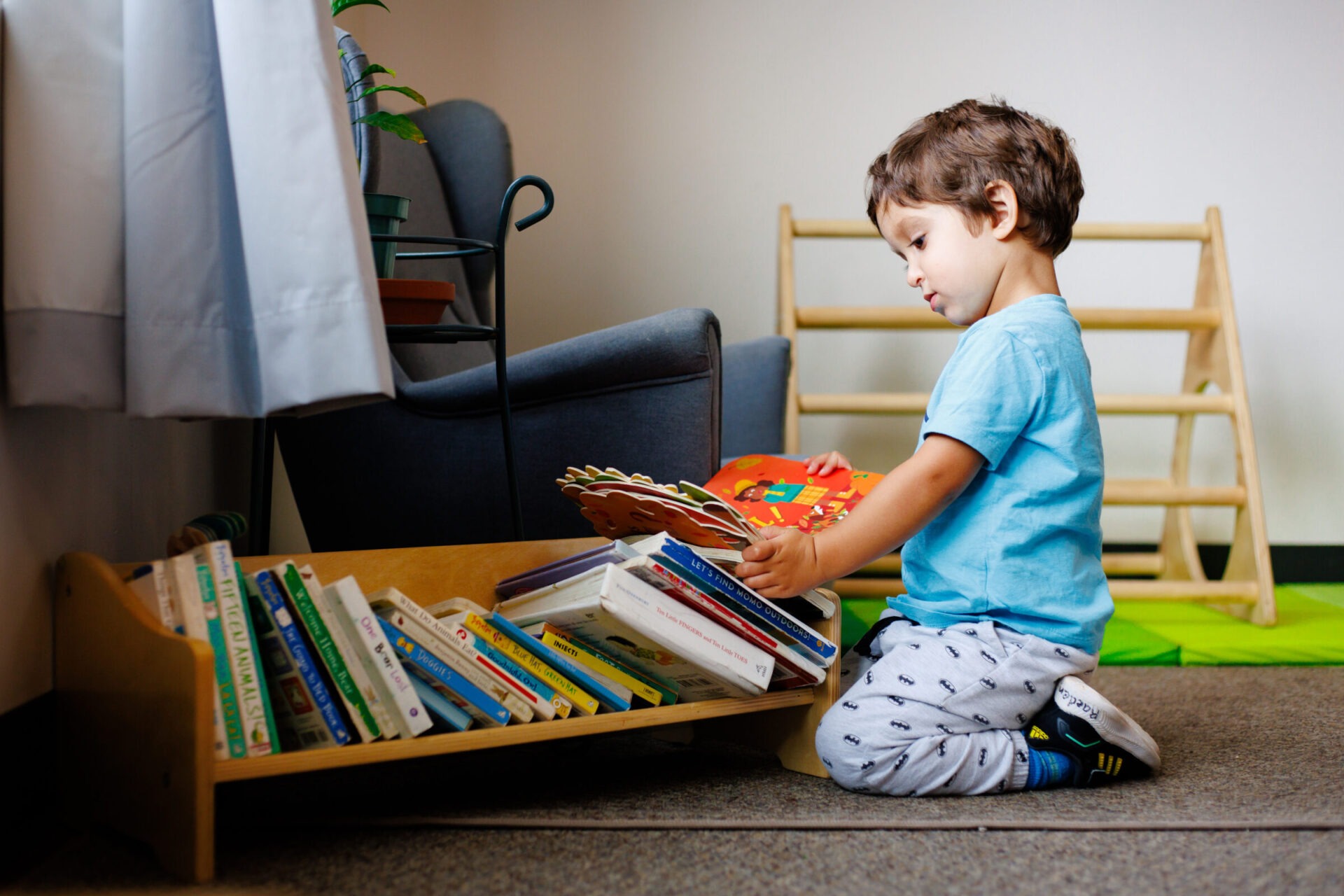
Choosing a first school is not just about location or cost; it is about finding a place where your child can thrive. Many parents struggle with the balance between structure and freedom. Too much instruction can dampen curiosity, while too little guidance may lead to frustration. This tension often makes the decision feel overwhelming.
Montessori education addresses these concerns by centring on independent learning in Montessori kindergarten. Instead of being directed every moment, children move freely within prepared boundaries. Educators arrange the classroom so that each activity is meaningful and developmentally appropriate. Research on Montessori practice emphasises that the curriculum should focus on activities children can perform themselves. These Montessori education benefits such as fostering independence, self-discipline, and intrinsic motivation help children develop both academic and personal growth. Children are encouraged to choose their work, concentrate deeply, and return materials when finished. This freedom within limits allows your child to build confidence, patience, and respect for others.
Understanding Child‑Led Learning In Montessori

Some parents worry that child‑led learning in Montessori means letting children do whatever they want. In fact, it is a thoughtful balance of choice and responsibility. Teachers act as guides rather than lecturers, observing each child’s interests and introducing lessons when the child shows readiness. Materials are designed so that errors are obvious to the child, allowing them to self‑correct. This approach fosters problem‑solving and resilience.
The classroom community supports this process. Older children model behaviour for younger peers, demonstrating how to use materials and how to share space. There will only be one copy of each material, so children learn to wait, take turns and respect others’ choices. The structure of independent learning in Montessori kindergarten encourages empathy and cooperation as children realise that their actions affect their classmates. When your child takes responsibility for their learning, intrinsic motivation develops naturally.
Meeting Each Child’s Needs
Every child develops at a different pace, and independent learning in Montessori kindergarten honours this by offering a wide range of materials. Teachers adapt lessons to fit each child’s developmental stage. Children progress from concrete experiences to more abstract concepts as they are ready. Instead of comparing children to each other, progress is measured against individual growth. This personalized approach builds self‑confidence and curiosity, reducing the pressure to meet arbitrary benchmarks.
How Independent Learning In Montessori Kindergarten Builds Life Skills
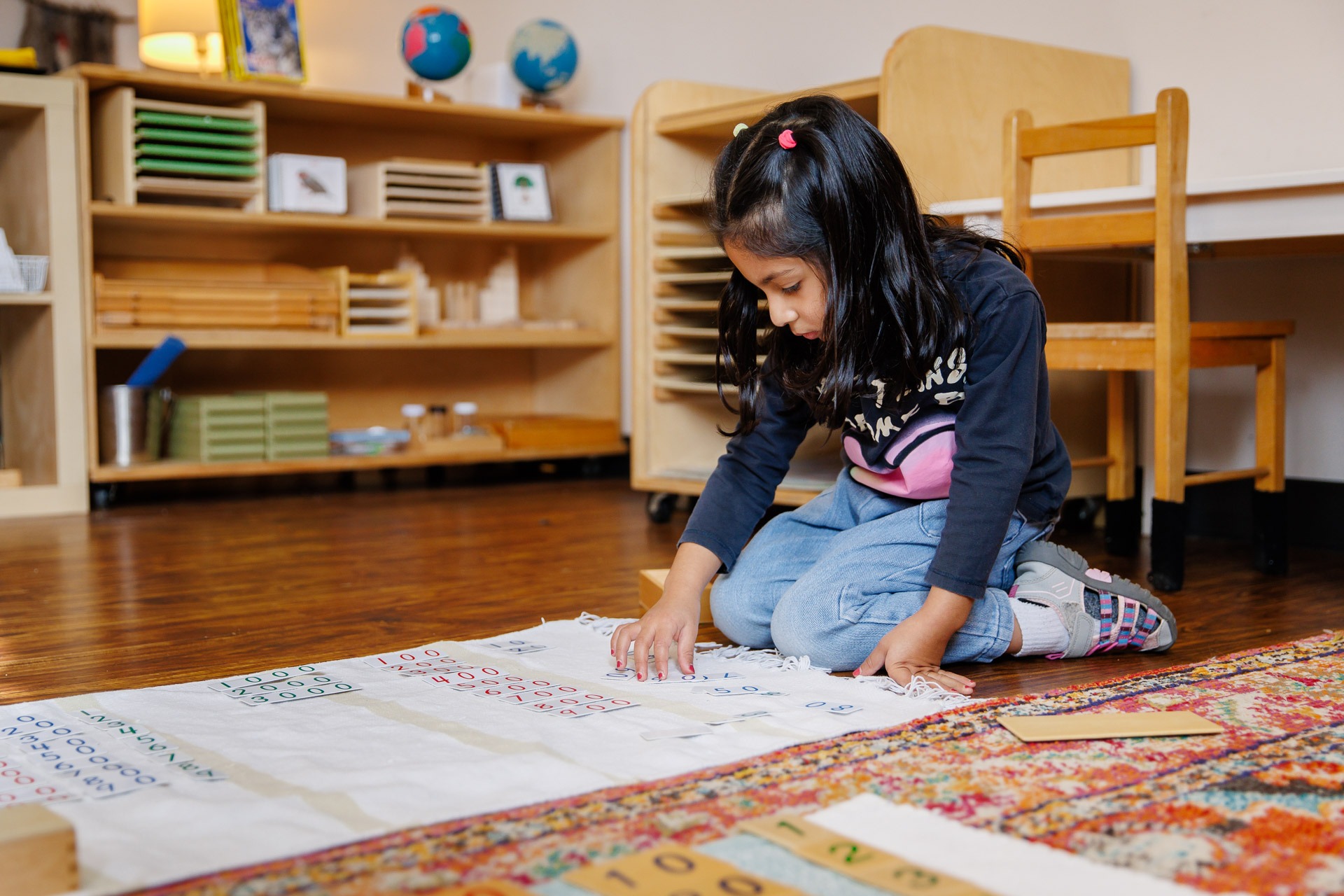
An authentic Montessori program integrates practical life skills into the daily routine. Activities like pouring water, sweeping, buttoning and tying teach coordination and independence. Children learn to care for themselves and their environment, building concentration and responsibility. These tasks are not seen as chores but as meaningful work that helps children become capable and confident members of their community. The role of the adult is to gradually step back, allowing the child to increase their input. When children learn to tidy up spills and return materials, they understand that their actions have consequences.
Leadership emerges naturally in this setting. In independent learning in Montessori kindergarten, older students mentor younger ones and assist with classroom routines. They might show a friend how to use a new material or help organize a shelf. These responsibilities enhance self‑confidence and cultivate collaboration. By participating in a mixed‑age community, children learn empathy and respect. The experience of guiding others also strengthens their own understanding of the material.
Parents sometimes wonder whether this approach prepares children for traditional schooling. Evidence suggests that it does. A prepared environment that encourages exploration and self‑directed learning helps children engage deeply with concepts at their own pace. As they progress through the cycle, they gain deeper insights and develop advanced skills. When children leave Montessori kindergarten, they often possess strong problem‑solving abilities, concentration and a genuine love of learning.
Creating A Prepared Environment For Independent Learning and Group Learning
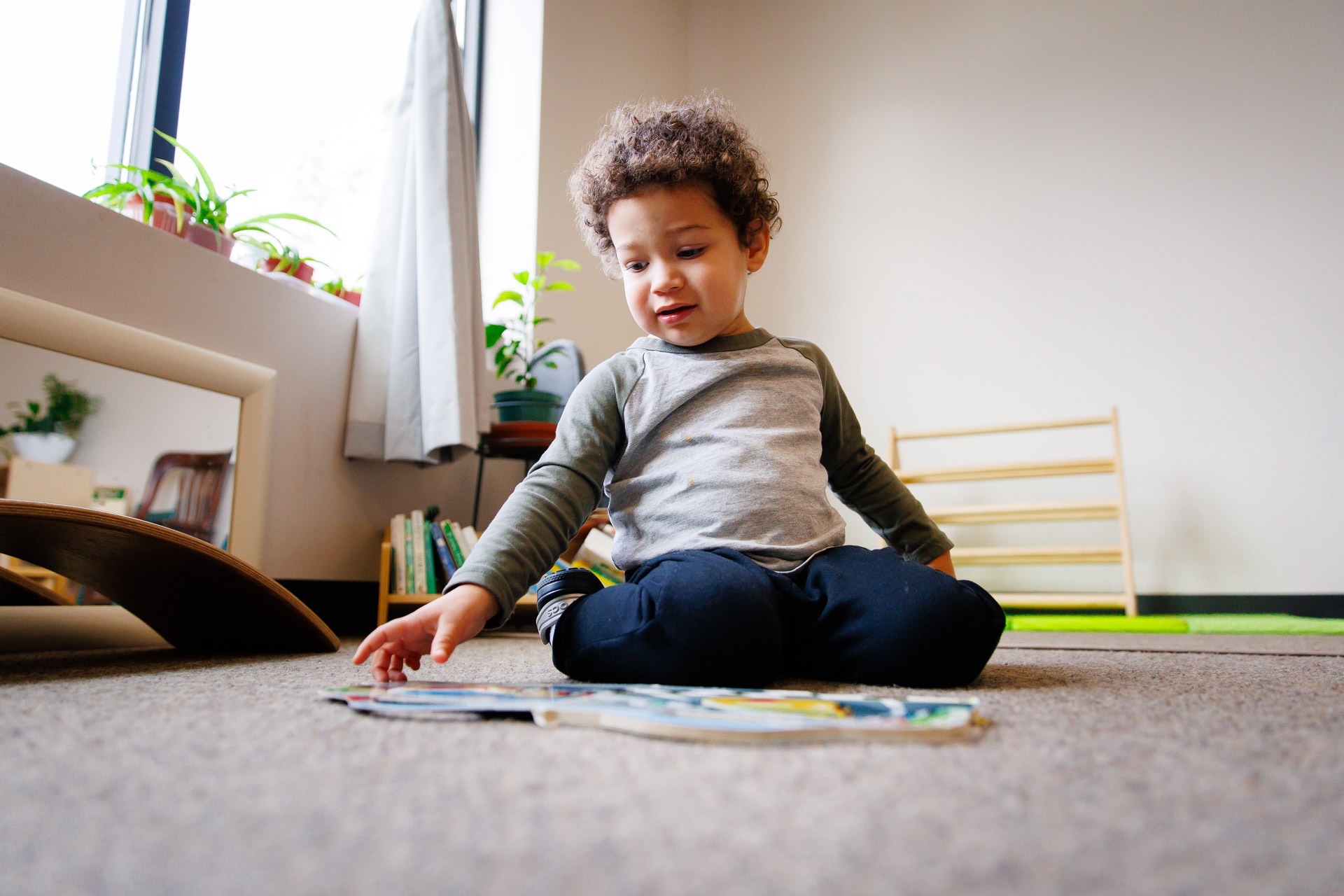
The learning space is central to group learning and independent learning in Montessori kindergarten. Shelves, tables and mats are sized for children, and materials are arranged in a logical sequence. This order helps children know where to find what they need and where to return it. A predictable environment gives them the confidence to explore freely. Educators prepare the space meticulously to encourage self‑directed activity. The environment itself teaches children how to move, choose work and treat materials with respect.
Montessori teachers observe rather than direct. If a child spills water, the teacher will quietly indicate where the cloths are kept so the child can clean up. This way, the child learns from the experience rather than being rescued. Over time, children internalize routines and become self‑sufficient. The classroom environment becomes a silent partner in teaching, sometimes called the third teacher. Each area—practical life, sensorial, language, mathematics and cultural studies—offers tools that progressively challenge the child and invite discovery. Materials are self‑correcting, so children can identify and fix their own mistakes, building confidence and persistence.
Deep concentration is a hallmark of Montessori education. Children often become absorbed in tasks for extended periods. Uninterrupted cycles of time allow them to focus without unnecessary interruptions. This focus supports cognitive development and cultivates patience, an essential skill for independence.
Hands‑On Activities That Support Independence
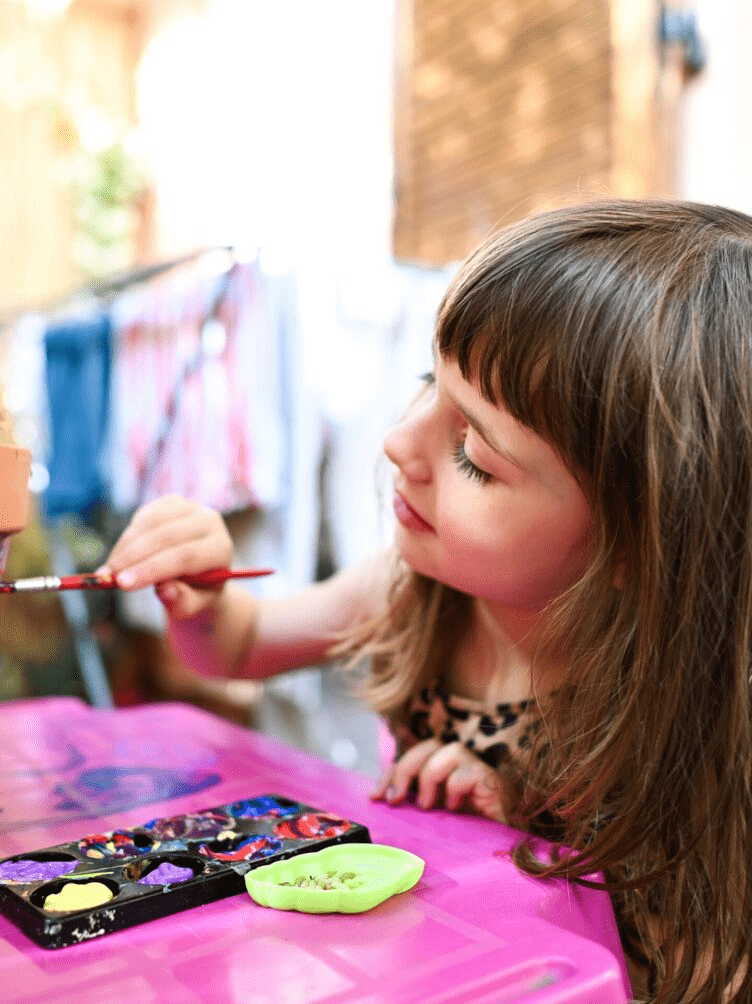
Montessori classrooms place a strong emphasis on active, hands‑on learning. Children aren’t just hearing about ideas; they engage with them directly. Practical life exercises, sensorial materials and academic tools all work together to support independent learning in Montessori kindergarten.
Practical & Sensorial Work
Practical life exercises teach everyday skills. Pouring beans, spooning rice or buttoning a shirt may seem simple, but they refine fine motor control and teach children to care for themselves. Children see that their actions have real outcomes, such as a clean table or a neatly set snack. Sensorial materials, like the pink tower or sound cylinders, refine the senses and prepare the mind for later academic work. Sandpaper letters and movable alphabets introduce phonetic sounds and support early reading. Each material is designed so that the child can see when something isn’t correct and adjust accordingly. This design encourages self‑evaluation and persistence.
Integrated Learning Across Subjects
Hands‑on materials also support academic subjects. Number rods and golden beads introduce mathematical concepts through concrete manipulation. Puzzle maps and land and water forms teach geography and science. By working with their hands, children build an internal understanding of abstract ideas. The wide array of materials allows teachers to tailor lessons to each child’s interests, ensuring that independent learning in Montessori kindergarten remains engaging and relevant.
Choosing A School: Accreditation & Tradition
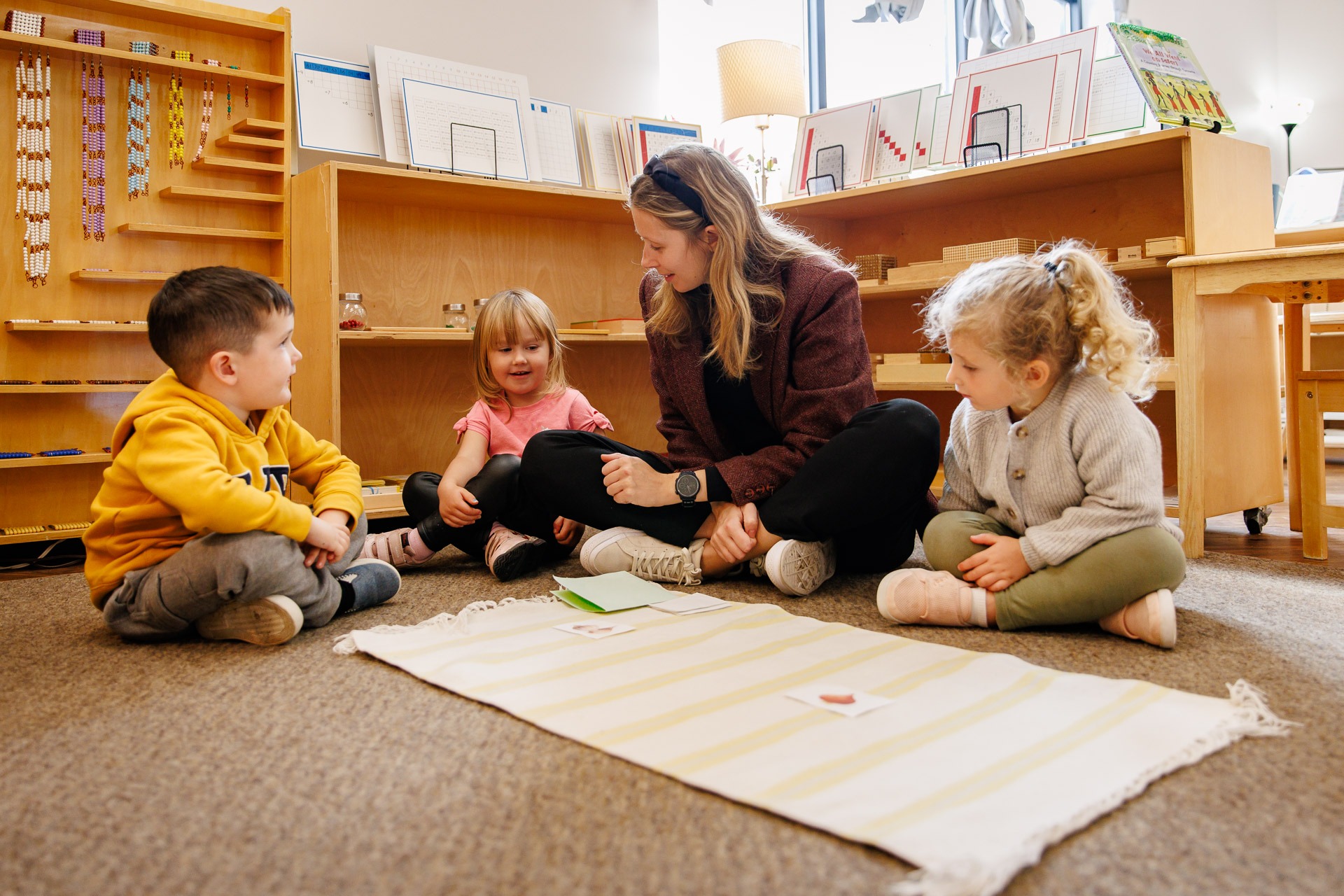
When selecting a Montessori program, it’s important to ensure authenticity. Accreditation shows that a school meets established Montessori standards. Montessori School of Wellington is the only accredited Montessori school in Wellington County, which means it follows authentic practices and uses trained guides. An accredited school maintains a prepared environment consistent with Montessori principles, supporting genuine independent learning in Montessori kindergarten.
Experience also matters. A family‑owned and operated school with decades of history offers stability and a proven track record. Over thirty years, such a school can develop a culture of trust and professionalism. In addition, hands‑on, real‑world learning sets Montessori apart from more worksheet‑focused environments. Fully equipped classrooms enable children to explore, build confidence and develop practical skills. When children understand that their efforts produce tangible results, they become more invested in learning.
A thoughtful Montessori education prepares children for life beyond the classroom. It helps them develop patience, social skills and resilience. A technology‑free, back‑to‑basics environment allows children to build genuine connections and engage with the world directly.
Helping You Understand child-led learning in Montessori
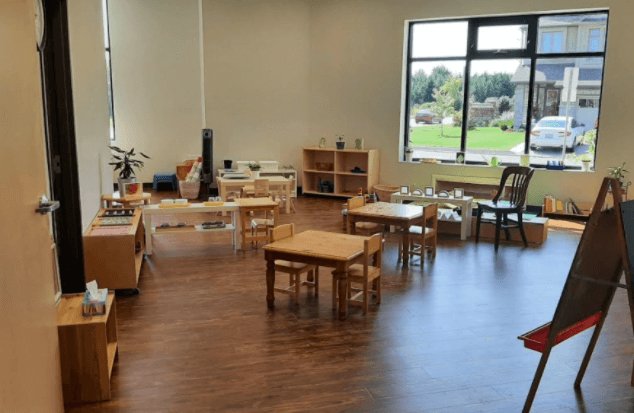
Finding the right early education program is an act of trust. You want your child to be safe, curious and confident. Montessori offers a distinctive path by emphasising independent learning in Montessori kindergarten. Children choose meaningful activities, develop practical and academic skills and grow into leaders within their community. The approach encourages self‑correction and reflection, invites exploration and deep concentrationand integrates hands‑on tasks with academic learning. Choosing an accredited, experienced school ensures authenticity and stability.
Get in touch to explore how this approach can nurture your child’s growth and development. We’re here to answer your questions and guide you through every step.
Summary
This blog outlines how independent learning in Montessori kindergarten empowers children to build confidence, responsibility and curiosity. It explains that child‑led learning invites self‑correction and resilience and that prepared environments encourage deep concentration and exploration. The article highlights the benefits of independent learning in Montessori kindergarten for your child and emphasises the importance of accreditation, experience and hands‑on learning for parents choosing a program, showing how these elements work together to prepare children for life.
Tags: