
Montessori Approach to Early Childhood Education
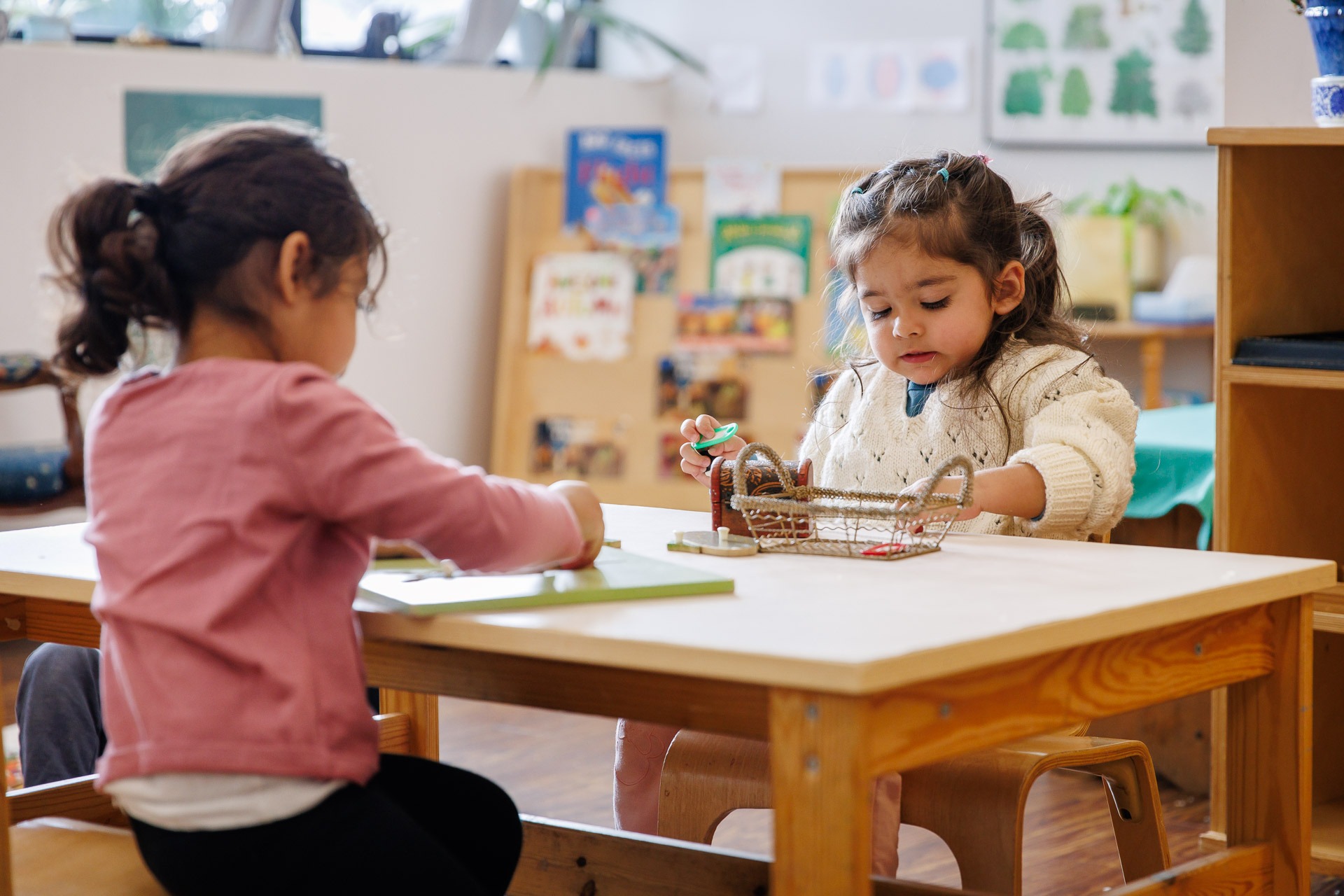
Are you concerned about traditional education methods stifling your child’s natural curiosity and independence? Many systems inadvertently limit a child’s unique pace and innate drive to explore, leaving parents searching for an approach that truly nurtures their potential.
Imagine a learning environment where your child isn’t just memorizing facts but actively engaging with their world, developing critical thinking and responsible behaviour from a young age. Picture them thriving, not just academically, but socially and emotionally, building a strong foundation for a lifetime of learning.
Discover the transformative power of Montessori. This child-centred philosophy embraces hands-on exploration and self-directed learning, allowing children to develop at their own pace. Families consistently see the lasting Montessori education benefits, from enhanced social skills to advanced cognitive development, all while fostering intrinsic motivation and emotional well-being.
Montessori For Preschoolers: Guide To Independence

Choosing the right learning environment for your child can feel overwhelming. The Montessori approach to early childhood education offers a nurturing alternative, encouraging independence, curiosity, and confidence through hands-on learning. Instead of rigid instruction, children explore, make choices, and develop essential life skills that prepare them for lasting success.
Independence is built into every activity. Children explore freely, practice real-life skills, and develop confidence, resilience, and responsibility through hands-on learning:
- Practical life skills: Your child learns to pour, spoon, button and sweep. These tasks develop fine motor skills and instil a sense of competence.
- Choice and freedom: Children select their work and move at a pace that suits them, fostering self‑motivation and a love for learning.
- Self‑correction: Montessori materials provide immediate feedback, allowing children to identify mistakes and learn from them independently.
- Community contributions: Caring for plants, preparing snacks and collaborating on group projects cultivate a sense of belonging and responsibility.
The benefits of independence extend to parents as well. When your child makes choices and solves problems independently, they become confident decision‑makers. You’ll notice increased self‑sufficiency: children manage tasks without constant supervision, relieving some of your stress. Allowing children to experience setbacks in a supportive environment builds resilience and adaptability.
Long‑term, independent learners perform better academically, develop essential life skills and exhibit strong emotional well‑being. By focusing on independence from a young age, the Montessori approach to early childhood education helps your child become a confident, compassionate individual ready to thrive in an ever‑changing world.
Why Parents Choose The Montessori Approach
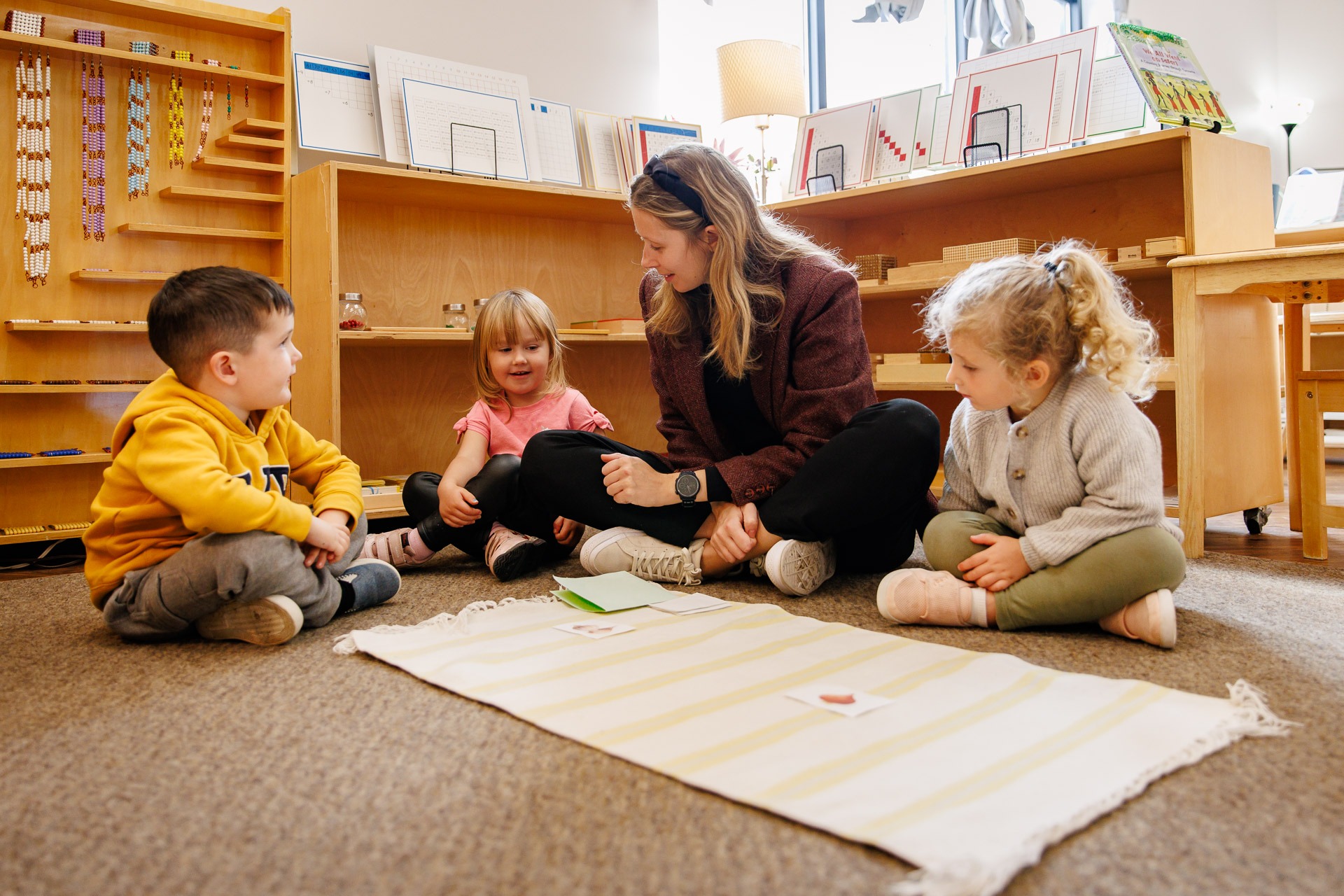
Many parents wonder why they should choose Montessori among so many options. The answer lies in its holistic, child-centred approach that supports intellectual, physical, social, and emotional growth. Developed by Dr. Maria Montessori, this method is rooted in the belief that children are naturally curious and thrive in environments that nurture their innate love of learning.
Parents often worry early education may feel too academic, but the Montessori method focuses on developing the whole child. Through self-directed, hands-on learning and collaborative play, children explore their interests, build curiosity, and think critically. Research shows Montessori students often excel in language, literacy, and math while gaining confidence and independence.
The Montessori approach to early childhood education inspires a lifelong love of learning. In a thoughtfully prepared environment, children explore at their own pace through meaningful, hands-on activities. Multi-age classrooms encourage mentorship, teamwork, and empathy, helping children develop strong communication, leadership, and social skills.
When choosing a school, authenticity matters. The Montessori School of Wellington is the only accredited Montessori program in Wellington County, with over 30 years of family ownership and experience. Its accreditation guarantees trained educators, authentic materials, multi-age classrooms, and uninterrupted work periods—all within a nurturing, child-centered environment built on trust and consistency.
Hands‑On Learning & Practical Life Skills
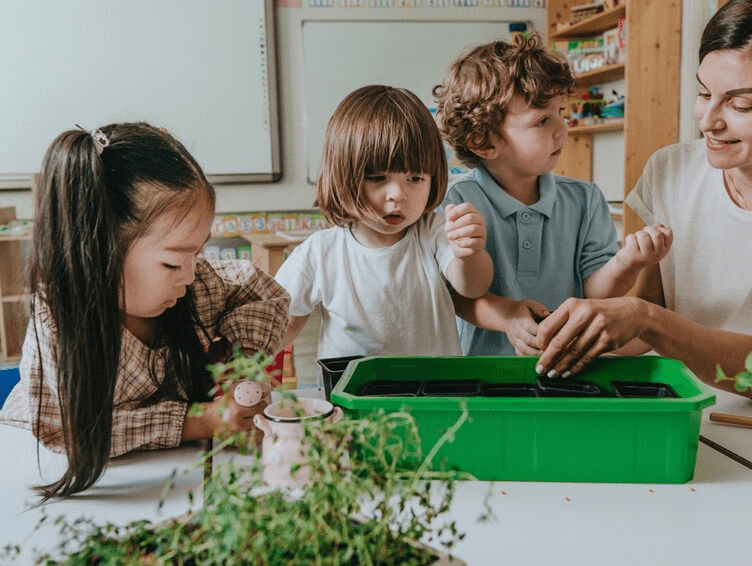
At the core of the Montessori approach to early childhood education is hands-on learning. Classrooms feature materials that engage children in real-world tasks like cutting, washing, and gardening. These practical life activities build fine motor skills, coordination, and a sense of order while nurturing independence, focus, and confidence.
Next come sensorial materials, designed to refine each of the five senses. Children engage in activities like matching sounds or textures, helping them focus on specific skills without distraction. As they progress, they move from concrete experiences to abstract concepts. Learning phonics and writing before reading, and exploring math through hands-on materials that build a deep understanding of numbers and patterns.
These thoughtfully designed materials nurture curiosity, independence, and hands-on exploration. At the Montessori School of Wellington, classrooms inspire children to explore, gain confidence, and enjoy learning through real-life experiences. By practicing tasks like cooking, cleaning, and caring for their surroundings, children develop practical life skills, responsibility, and a strong foundation for everyday success.
The Montessori approach to early childhood education also incorporates uninterrupted work periods, allowing children to engage deeply with activities. Extended blocks of time let children focus without constant transitions. When children choose their work and persist until completion, they develop concentration and perseverance. Such self‑directed work nurtures intrinsic motivation and a belief in their ability to overcome challenges; qualities that carry beyond the classroom.
Preparing Children For Life & Social Skills
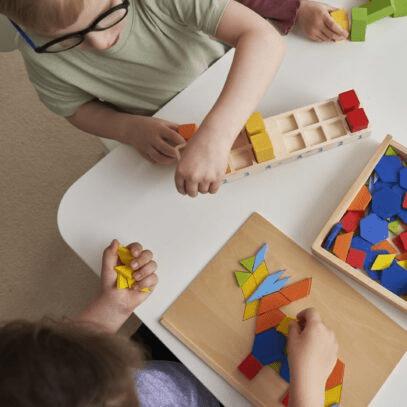
Parents often ask whether Montessori education prepares children for the real world. The answer is a resounding yes. The Montessori approach to early childhood education values the development of social and emotional skills alongside academic growth. Research shows that Montessori education creates respectful, supportive communities where children learn empathy, cooperation and communication. Through collaborative learning experiences, children work through conflicts and form healthy relationships.
Multi‑age classrooms are a hallmark of Montessori. Older children mentor younger ones, enhancing leadership skills and reinforcing learning. Younger children gain inspiration and guidance from peers rather than just adults. This structure fosters a family‑like community and promotes patience and social engagement. The Montessori School of Wellington embraces this design, helping your child develop life skills that transcend the classroom.
The Montessori approach to early childhood education emphasises respect for each child and their learning process. Teachers act as guides, observing your child and offering support when needed rather than direct instruction. This encourages children to express themselves, manage their emotions and develop self‑control. Studies show that Montessori education helps children become resilient, confident and adaptable. They learn that mistakes are part of learning and that perseverance leads to success.
Social development also involves practical skills. Children learn to take care of their space, collaborate on tasks and respect others’ boundaries. In the Montessori environment, classroom rules arise from a shared respect for the community, and children learn to follow these rules by understanding their purpose. Such experiences build a strong foundation for navigating social situations in school and beyond.
Technology‑Free, Back‑To‑Basics Education
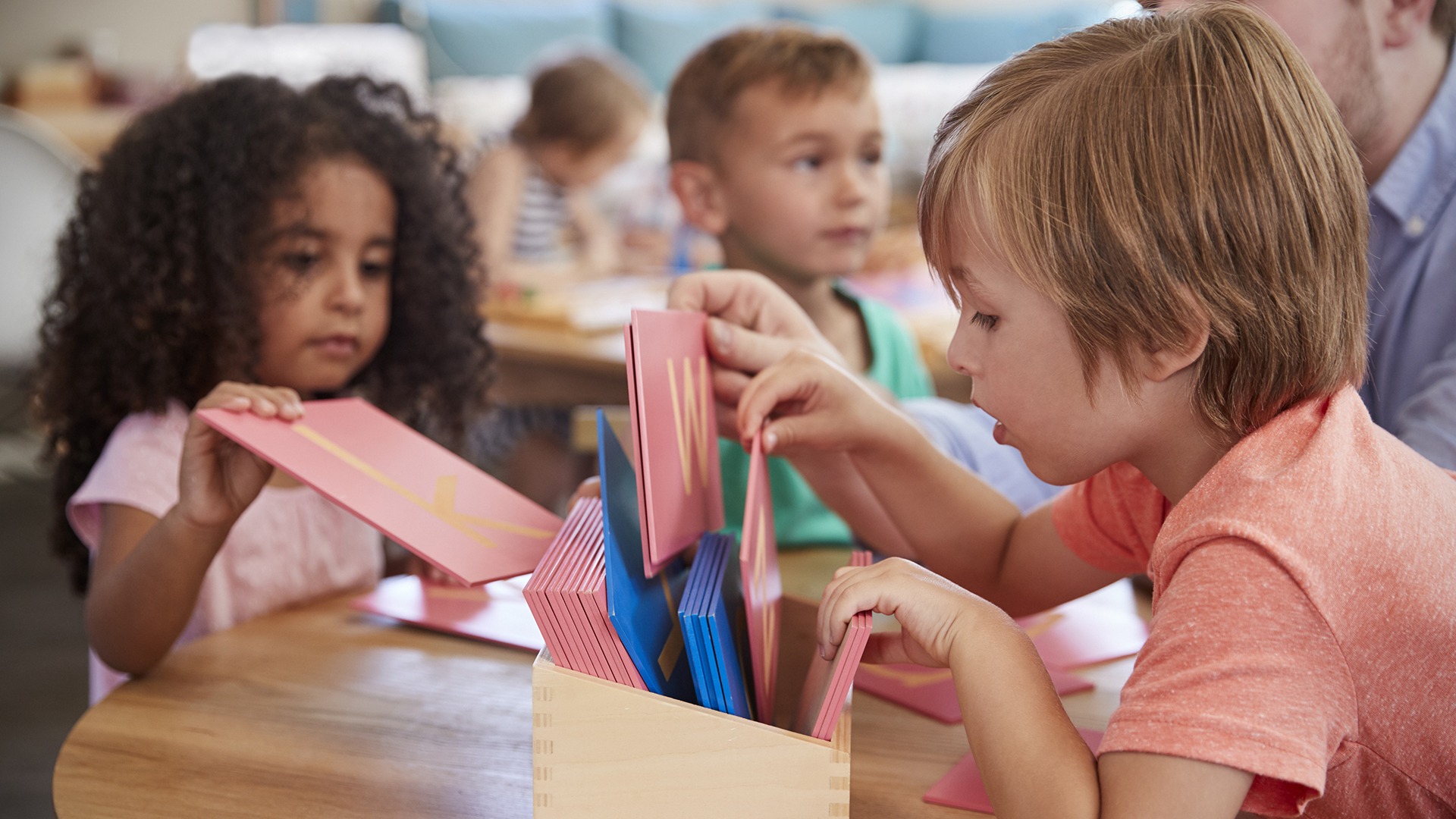
In today’s screen-filled world, many parents wonder how much technology is appropriate for young children. The Montessori approach to early childhood education provides a refreshing, technology-free, back-to-basics environment. Research shows that young children learn best through hands-on experiences and real-world play, which strengthen mental, emotional, and physical development. Exploring, problem-solving, and engaging with others lay the foundation for lifelong learning.
Active play is essential for brain development. Crawling, building, pretending and running help form new neural pathways that support problem‑solving, memory and creativity. Play sparks curiosity and fuels a love for learning that lasts a lifetime. The Montessori approach to early childhood education aligns perfectly with these findings: children pour water, sort beads and engage in sensory experiences that engage both the mind and body.
Excessive screen time can impact healthy development, delaying language skills and reducing active play. The American Academy of Pediatrics advises no screen time for children under 18 months and limited, high-quality use for ages two to five. In contrast, Montessori classrooms are screen-free, focusing on hands-on learning. At the Montessori School of Wellington, children use real tools, build practical skills, and gain confidence in a creative, connected, technology-free environment.
Montessori educators don’t reject technology but promote a healthy balance between screens and real-world experiences. Screen time should enhance active, hands-on learning, not replace it. By setting clear boundaries and encouraging play, puzzles, and outdoor exploration, children build creativity, problem-solving, and motor skills. The Montessori approach to early childhood education naturally supports these screen-free, meaningful learning experiences.
Your Journey With The Montessori School Of Wellington
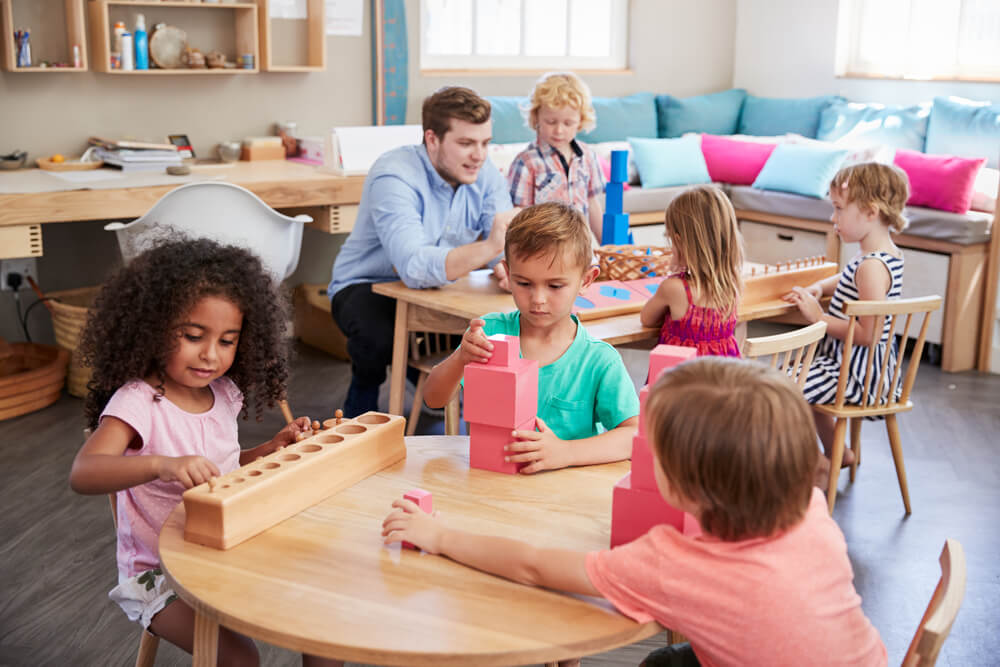
When you decide that the Montessori approach to early childhood education aligns with your values, the next step is finding an authentic program. Accreditation matters because “Montessori” is not trademarked, and any school can claim to follow the method. The Montessori School of Wellington is the only accredited Montessori school in Wellington County. This accreditation assures you that teachers are properly trained, classrooms are multi‑age, materials are authentic and children enjoy uninterrupted work periods.
The school’s family‑owned operation spans three decades, offering stability and consistency. Staff members value kindness, independence and respect, creating a calm, caring environment backed by over 30 years of experience. When you choose this school, you are joining a community that honours each child’s pace and interests. The emphasis on real‑world skills means your child learns by doing and builds practical skills that lay the foundation for a confident future.
Planning your child’s education can feel daunting, but the process at the Montessori School of Wellington is straightforward. You can book a tour to observe a classroom, meet the teachers and see how the environment supports calm, focused learning. Multi‑age classrooms encourage children to move through their work with ease, and teachers guide rather than lecture. If you’re wondering why the school does things this way, the answer lies in respecting your child’s natural development and fostering independence. This approach is important because it helps children develop patience, social skills and resilience; skills that serve them well beyond the classroom.
The school also offers a technology‑free learning environment, allowing children to immerse themselves in the real world and build genuine connections. Choosing this school means choosing a holistic approach that aligns with research on child development and your desire for a trustworthy, experience‑oriented program.
Wrapping Up Your Decision
Choosing an early education program can feel overwhelming, but it becomes easier when you focus on what truly matters. The Montessori approach to early childhood education honours your child’s natural growth, encouraging independence and a lifelong love of learning. Research shows that self-directed, hands-on activities boost academic, social, and emotional development. By limiting screen time and emphasizing real-world play, Montessori schools create meaningful, connected learning experiences.
The Montessori School of Wellington encapsulates these ideals. It’s the only accredited Montessori school in Wellington County, has been family‑owned for 30 years and offers hands‑on, technology‑free learning. By embracing this approach, you give your child the opportunity to grow confidently, develop practical skills and cultivate resilience.
Ready to explore this path further? Get in touch and take the first step toward your child’s bright future.
Summary
This blog explores the Montessori approach to early childhood education and serves as a Montessori for preschoolers guide for parents seeking a trustworthy, hands‑on learning environment. The Montessori method emphasises independence, choice and self‑directed activity, enabling children to build practical life skills and develop social and emotional intelligence. Research shows that Montessori‑educated children achieve higher academic outcomes and cultivate creativity and resilience. The Montessori School of Wellington, the only accredited Montessori school in Wellington County, offers over 30 years of family‑run experience and a technology‑free, hands‑on learning environment. Choosing this school means choosing an education that honours your child’s natural development, fosters curiosity, and prepares them for life. Read this guide to understand why this approach might be the best fit for your child.
Tags: