
A Guide to Montessori Social‑Emotional Development in Children
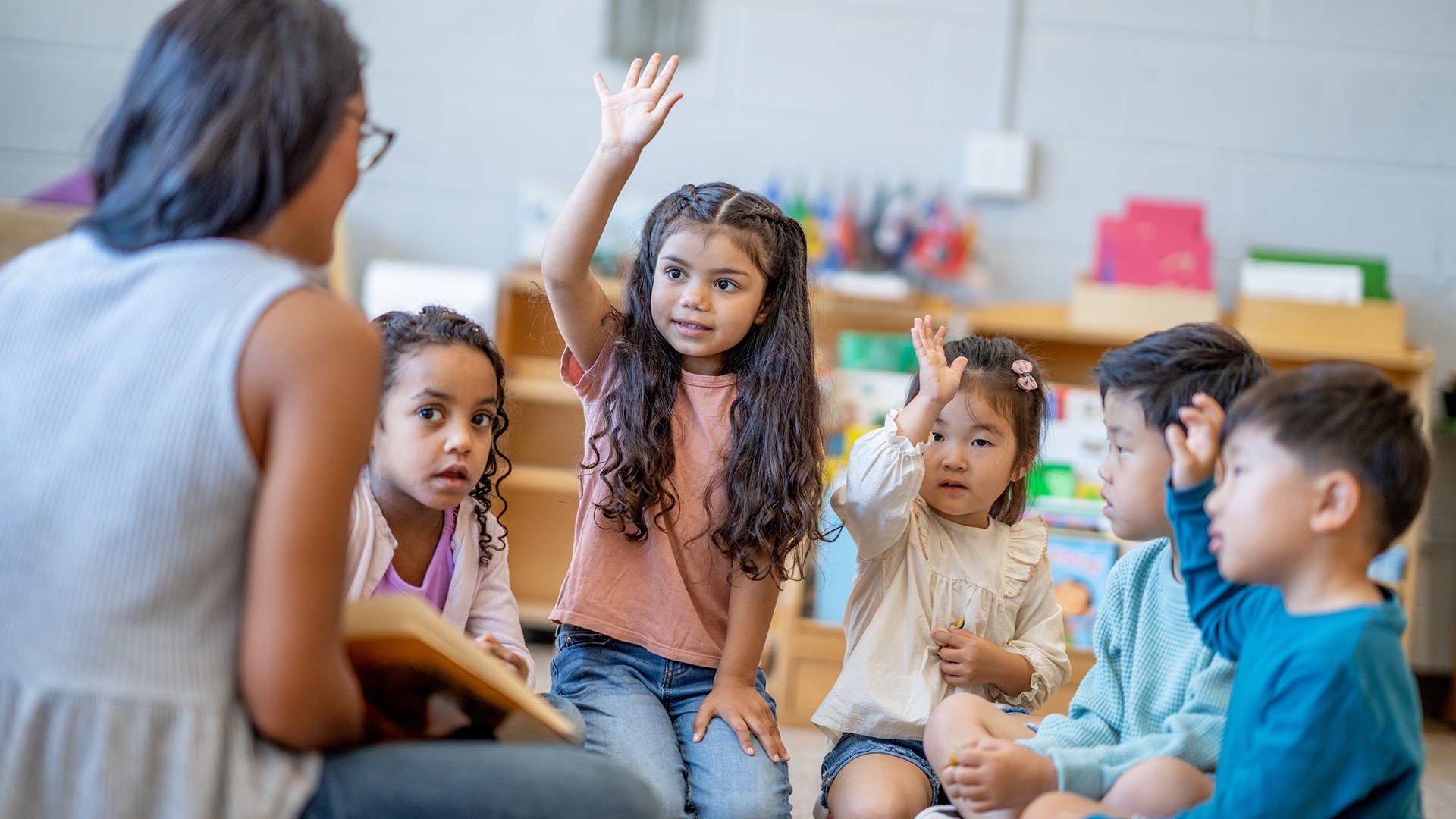
Parents embarking on the journey of choosing an educational environment for their child often prioritize a school that cultivates not only strong academics but also robust social and emotional growth. It’s a common and understandable concern for many to ponder how their young child will navigate the complexities of a bustling classroom, learning essential skills like sharing, cooperation, and the healthy expression of feelings.
The prospect of potential challenges such as misbehaviour, anxiety, or a lack of self-confidence can be a source of significant stress for parents, as these factors could potentially impede a child’s future development and overall well-being. Indeed, without a comprehensive educational approach that specifically nurtures emotional intelligence and healthy interpersonal relationships, children may unfortunately become disengaged from learning or experience heightened anxiety.
We’ll delve into how Montessori education, with its unique pedagogical philosophy, directly addresses these critical parental concerns. It explores the profound impact of Montessori social-emotional development on children, highlighting how this approach fosters crucial life skills. Furthermore, the post will shed light on the myriad Montessori education benefits, illustrating how they collectively support and align with your family’s overarching educational goals for your child.
Understanding Montessori Social‑Emotional Development in Children
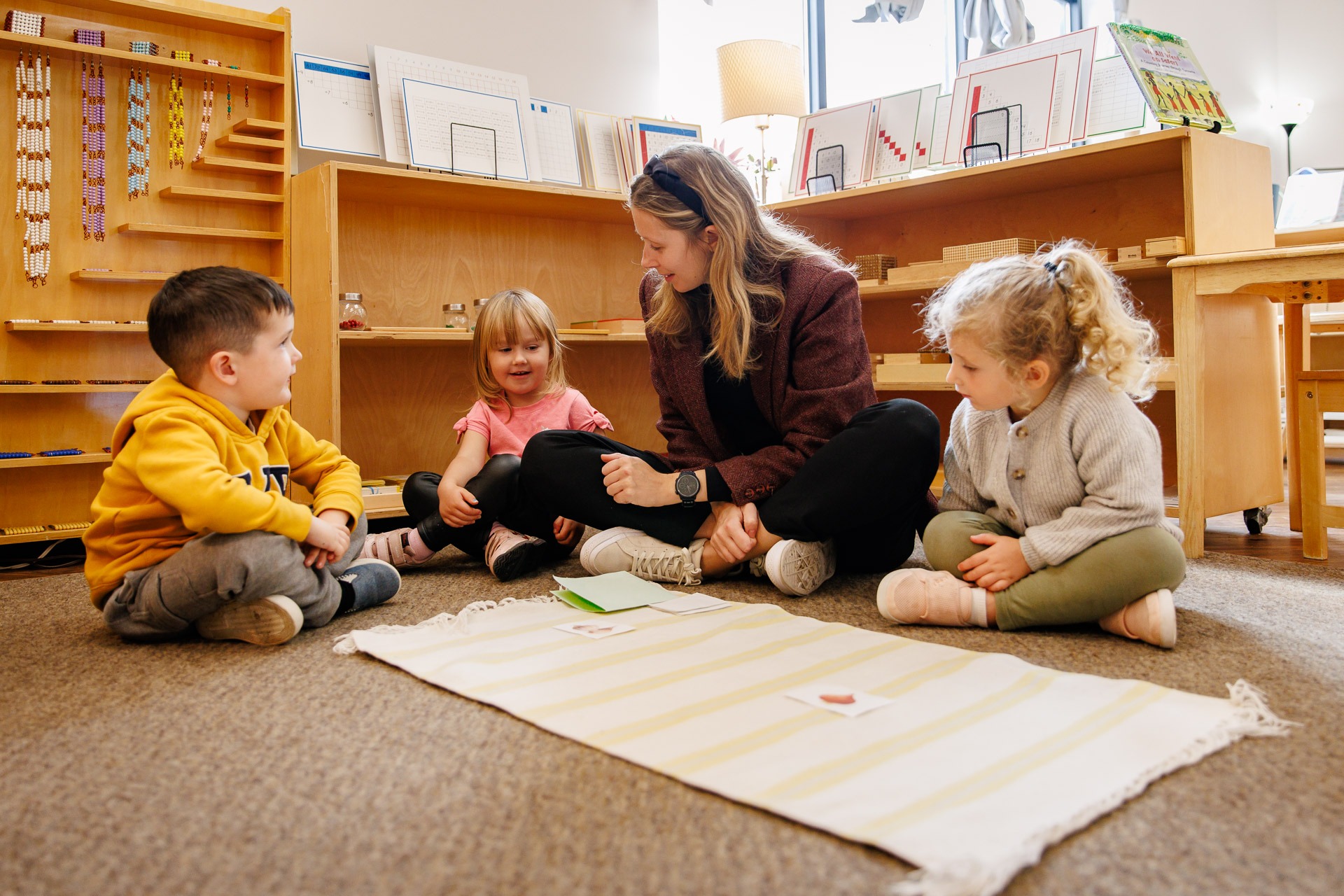
In Montessori classrooms, social and emotional development is part of daily life, not a separate lesson. Children learn to recognize and manage emotions, show kindness, and empathise with others; core Montessori education benefits that build confidence and connection. Maria Montessori’s prepared environment, freedom of choice, and mixed-age classrooms encourage cooperation and respect. Older children naturally guide younger ones, fostering patience, empathy, and a strong sense of community where emotional growth happens every day.
Some of the core elements of Montessori social‑emotional development in children include:
- Self‑awareness and self‑regulation. Children learn to recognize and manage their feelings. Calm breathing and movement activities help them return to a centred state when emotions run high.
- Empathy and kindness. Teachers model empathy and gently guide children to notice how peers feel. Children practice comforting others and celebrating their friends’ achievements.
- Social problem‑solving. When disputes arise, guides invite children to talk, listen and find solutions together. Research shows that Montessori children scored higher on social problem‑solving tasks and showed more positive playground behaviours than peers in traditional schools.
- Creativity and social maturity. By working with hands‑on materials and collaborating with classmates, children express themselves and build social confidence. Studies have found that Montessori‑educated children express greater creativity and social maturity.
Through these experiences, Montessori social‑emotional development in children equips your child with the vocabulary and skills to understand feelings and relationships. It also fosters independence and self‑confidence, which are essential for academic and life success.
Developing Social‑Emotional Skills in Montessori
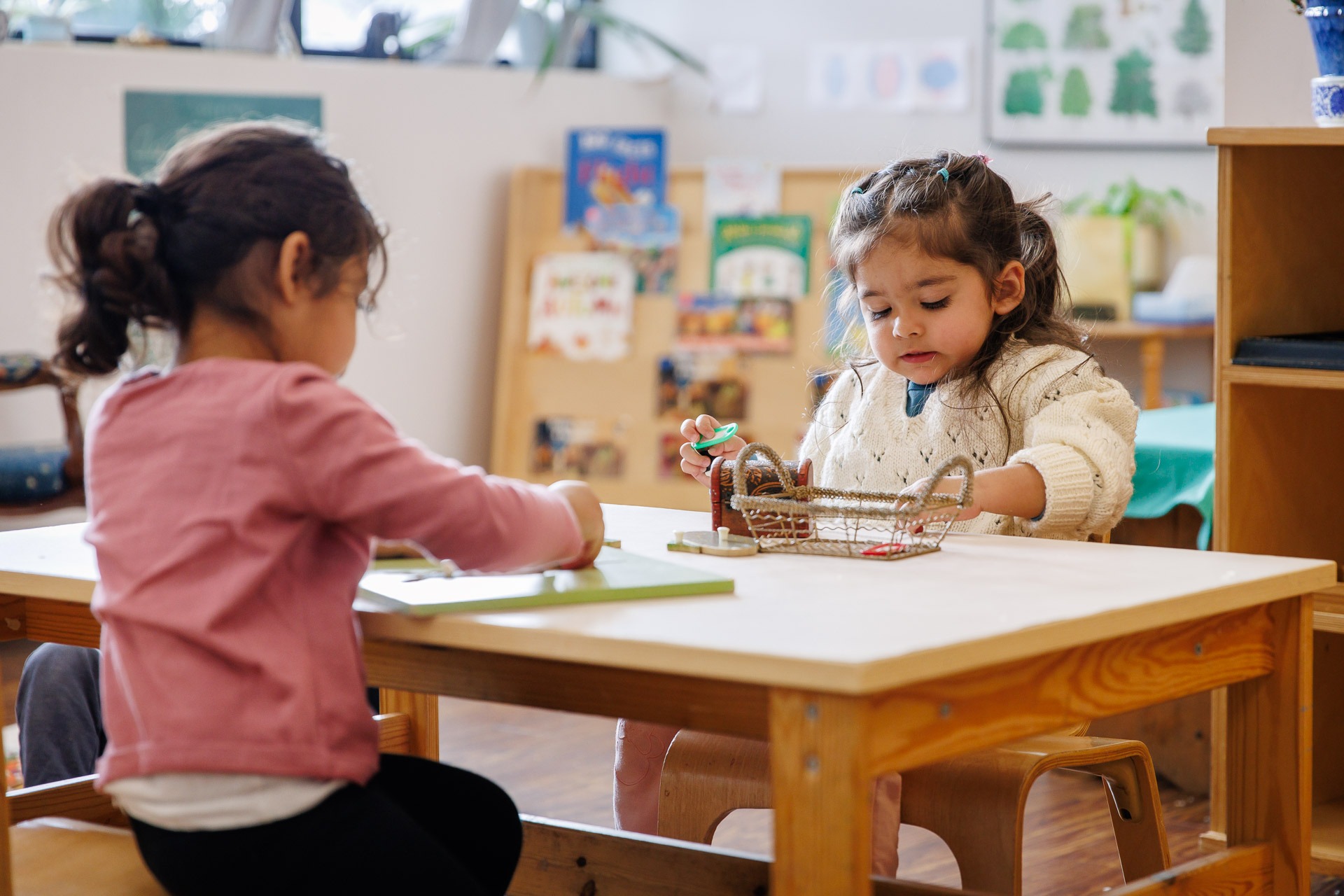
Developing social‑emotional skills in Montessori is intentional and holistic. Montessori schools operate according to key elements: a clear philosophy, mixed ages, trained teachers, specialised materials, freedom of choice and uninterrupted work cycles. Each element plays a role in nurturing social and emotional abilities.
Prepared environment and freedom: The classroom is designed for freedom and focus, allowing children to choose activities that match their interests. Working with real materials builds independence, while guides observe and support rather than direct. This freedom helps children develop decision-making, self-control, and emotional regulation
Mixed‑age groups and peer learning: In Montessori environments, mixed-age classrooms encourage collaboration and empathy. Younger children learn by observing older peers, while older ones develop leadership and patience by helping friends. This peer learning, one of the key Montessori education benefits, reduces aggression and promotes positive, respectful interactions among children.
Trained guides and respectful communication: Montessori guides respect each child’s pace, modelling polite language and helping children express feelings. Without grades or punishments, they use gentle guidance to create a calm, respectful atmosphere where children feel safe to take risks, solve problems, and build confidence.
Hands‑on materials and uninterrupted work blocks: Montessori materials promote independence by allowing children to self-correct and learn from mistakes. Long, focused work periods encourage concentration and emotional satisfaction, while hands-on activities strengthen fine motor skills and executive function through active, purposeful learning.
By combining these elements, social-emotional skills in Montessori classrooms develop naturally. Children grow in empathy, confidence, and independence as they learn at their own pace and interact respectfully with peers. Over time, you’ll notice your child expressing feelings clearly, resolving conflicts calmly, and showing greater self-assurance.
Hands‑On, Real‑World Learning & Social Growth
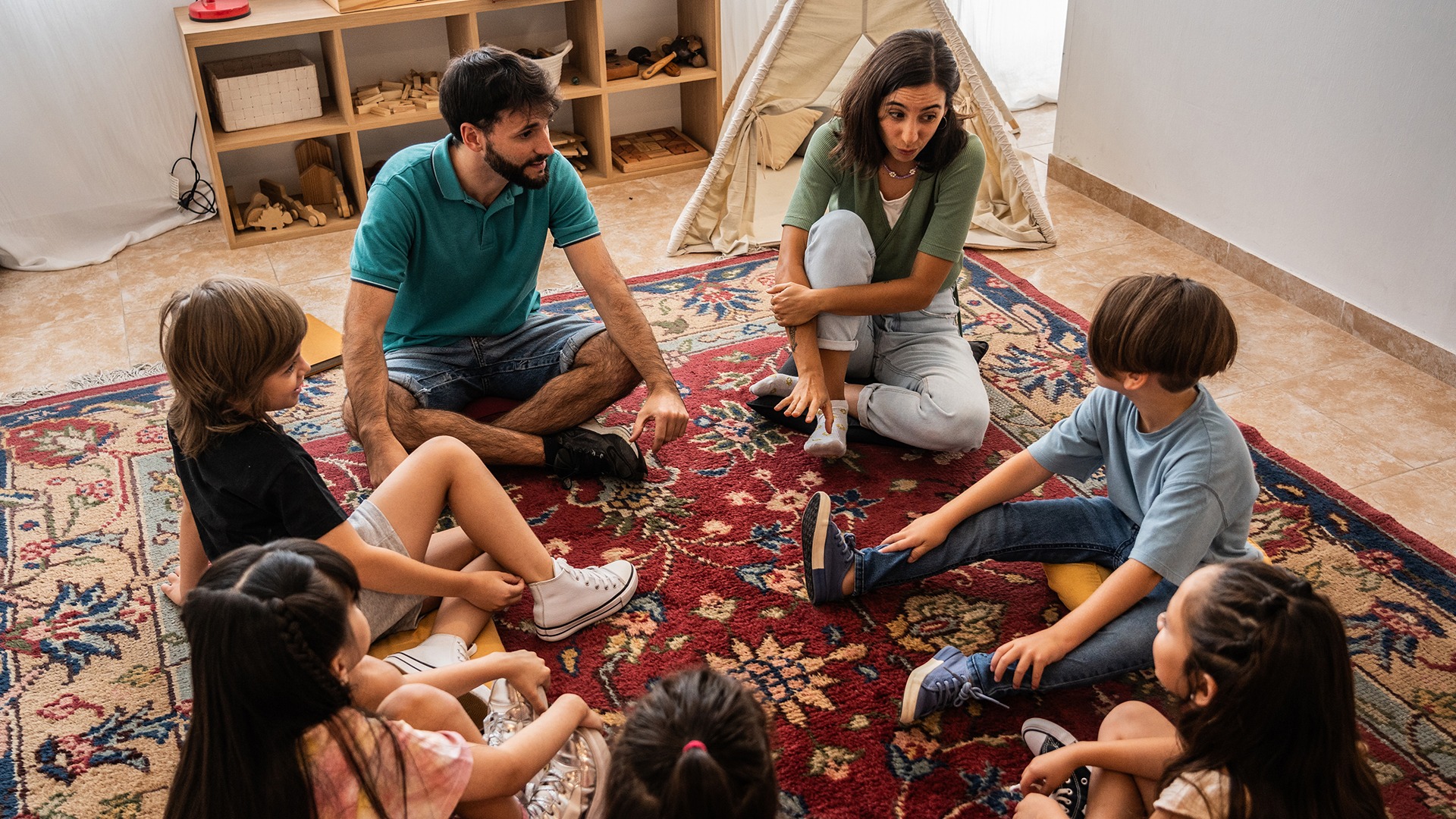
Montessori classrooms use real-life materials—like pitchers, brooms, and beads—to teach practical skills such as pouring, cleaning, and caring for plants. These activities build independence, patience, and self-control while nurturing responsibility and respect for others, key aspects of Montessori social-emotional development in children.
Working with hands is more than tactile fun; it’s tied to wellbeing. A logic model for Montessori education highlights self‑determination, working with hands and peer collaboration as features that contribute to social and cognitive outcomes. Studies suggest that children feel satisfied when they see tangible results from their efforts. This sense of competence supports self‑esteem and reduces frustration.
Real‑world tasks often involve cooperation. Children may sweep together or set the table for lunch. In doing so, they practice communication and negotiation. In mixed‑age classes, older children help younger ones with challenging tasks; younger ones watch and then try themselves. This peer tutoring promotes empathy and mutual respect. It also helps older children refine skills and feel valued.
Practical life activities build executive function. Pouring, scrubbing and buttoning require planning, sequencing and attention to detail. Research notes that Montessori education supports executive functions by providing regular opportunities to practice these skills and by offering student choice and active learning experiences. Strong executive function contributes to emotional regulation and flexible thinking.
At Montessori School of Wellington, our classrooms are fully equipped to support this hands‑on, real‑world approach. Your child might learn to sew a button or arrange flowers. These simple tasks teach concentration and perseverance. You will notice your child taking pride in caring for their environment and helping classmates. Through such experiences, Montessori social‑emotional development in children is grounded in daily life.
Why Montessori School of Wellington Is Different
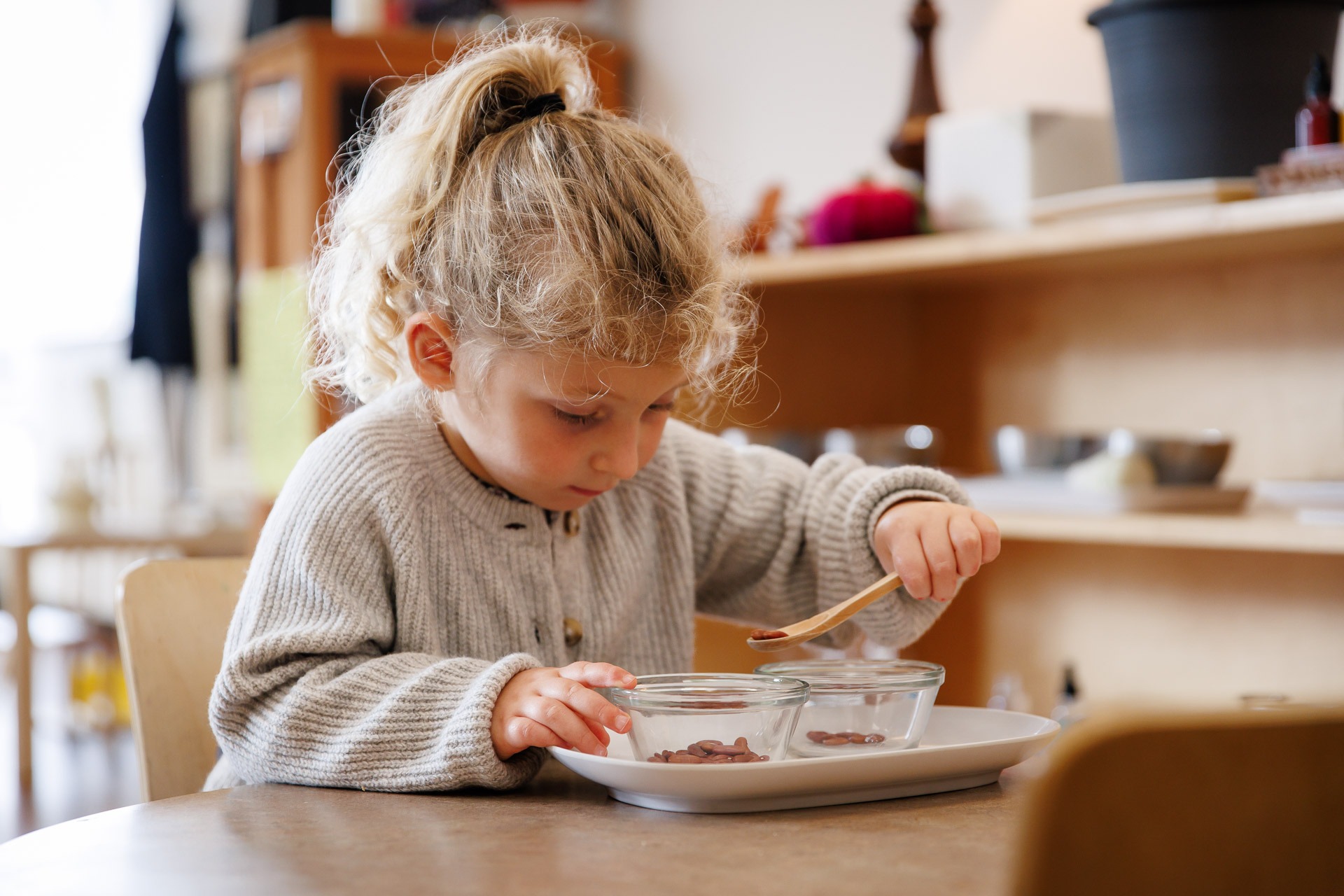
Choosing a school is a major decision, and you want assurance that your child’s emotional growth is supported by trusted methods. Montessori School of Wellington sets itself apart in several ways:
The Only Fully Accredited Montessori School in Wellington County
Accreditation ensures a school meets the highest standards of authentic Montessori practice. Montessori Canada requires trained teachers, mixed-age classrooms, genuine materials, and freedom of choice. As the only fully accredited Montessori school in Wellington County, we uphold these principles to provide genuine guidance that nurtures Montessori social-emotional development in children.
Family Owned & Operated for 30 Years
For three decades, our family has provided a warm, nurturing community. This continuity creates a sense of trust and familiarity. Experienced guides and staff know the local community and value long‑term relationships with families. You and your child become part of a supportive network that values fairness and open communication.
Hands‑On, Real‑World Learning
Our classrooms are not filled with worksheets; they are stocked with purposeful materials. Children practice real skills like pouring, sweeping, cooking, gardening, that build independence and social awareness. Hands‑on activities encourage collaboration and help children develop patience and empathy. You’ll see your child working side by side with friends, learning to share tasks and celebrate each other’s successes.
Preparing Children for Life
We believe education is about life, not just school. Our program emphasises patience, resilience and social skills so your child can handle challenges beyond the classroom. Research shows that features like self‑determination, community and creativity contribute to higher wellbeing. By focusing on these qualities every day, we help your child build a foundation for a happy and purposeful life.
Technology‑Free, Back‑to‑Basics Education
Screens dominate modern life, but children need time to connect with the real world. Our classrooms are technology‑free, encouraging children to use their hands, imagination and voice. Studies note that working with hands and collaborating with peers support wellbeing. Without screens, children engage deeply with materials and people. You may notice your child’s concentration improving and relationships with classmates growing stronger. This approach also helps lower test anxiety and supports long‑term wellbeing.
Preparing Children for Life Beyond the Classroom
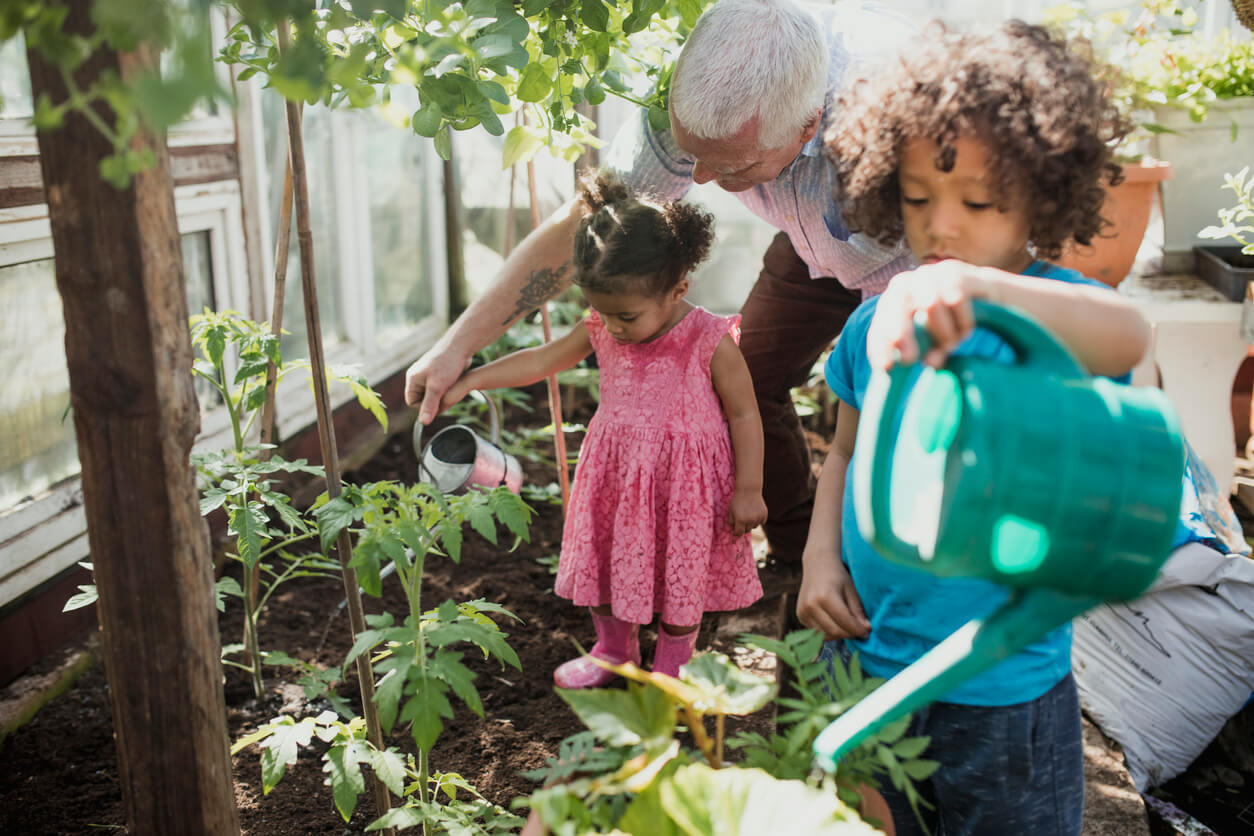
Parents often wonder how school prepares children for the future. Montessori social‑emotional development in children equips them with skills that extend far beyond academics. Waiting patiently for a turn, negotiating a disagreement and caring for the environment are daily lessons in our classrooms. These experiences build resilience and adaptability.
Children who attend Montessori for at least two years report higher engagement, social trust and self‑confidence. Researchers link these outcomes to features like self‑determination and collaborative work. By giving your child freedom to choose activities and encouraging them to help peers, we cultivate habits that support wellbeing throughout life.
Mixed‑age groups play a vital role. Older children mentor younger classmates and take pride in their leadership. Younger ones learn to seek help and show gratitude. Montessori noted that children in such communities are free from envy and celebrate each other’s accomplishments. In a world that often emphasises competition, our classrooms offer a different model: cooperation and mutual respect.
Preparing children for life also means nurturing a sense of responsibility. We encourage children to take responsibility for their own things, such as getting dressed independently or taking ownership of their belongings, to help build accountability. When children see the results of their efforts, they feel capable and motivated. This sense of responsibility extends to the wider community; your child learns to respect others and contribute positively.
Embracing a Technology‑Free Environment

A technology‑free classroom might seem unusual today, but it offers many benefits. Screens can distract and reduce face‑to‑face interaction. In contrast, a classroom filled with real materials invites children to engage all their senses. They practice fine motor skills, solve puzzles and talk with peers. Such experiences support Montessori social‑emotional development in children by encouraging collaboration and empathy.
Research highlights that features like low test anxiety, self‑determination and working with hands predict higher wellbeing. Removing screens allows your child to experience these benefits fully. Children are not comparing scores or competing for digital rewards; they are immersed in meaningful tasks. This helps reduce stress and supports a calm, focused learning environment.
A technology‑free space also fosters imagination. Children create stories, build structures and role‑play with friends. They learn to negotiate roles and express ideas, which strengthens communication skills. When children are free to imagine and explore, they build resilience and adaptability; qualities that help them thrive in a fast‑changing world.
Bringing It All Together
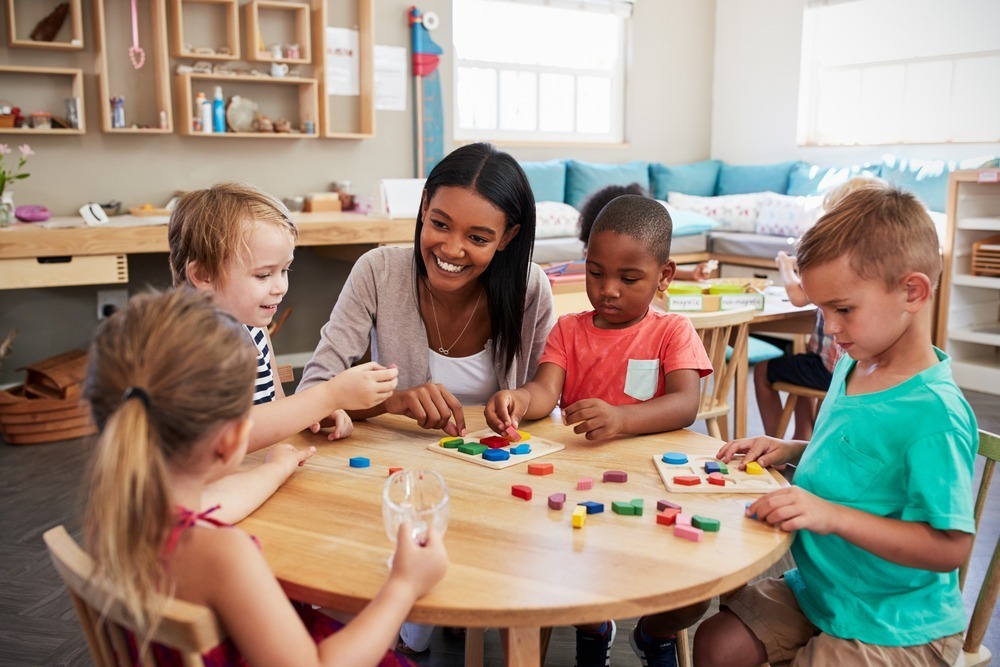
Choosing a school is about more than academics; it’s about raising a confident, compassionate child. Montessori social-emotional development in children builds empathy, self-control, and resilience through hands-on learning, mixed-age classrooms, and freedom of choice, creating a caring community where children thrive.
Montessori School of Wellington is the only accredited Montessori school in Wellington County, offering authentic practice, a family-run tradition, and a warm, technology-free environment. With over 30 years of experience, we provide trusted guidance that nurtures the whole child.
Get in touch and Learn how our Montessori program can nurture your child’s growth and wellbeing. Contact us today to schedule a visit or speak with our team.
Summary
This blog explains how Montessori social‑emotional development in children helps your child become compassionate, confident and resilient. It shows how social‑emotional skills in Montessori grow through prepared environments, mixed ages, trained guides, hands‑on materials and freedom of choice. Research indicates that Montessori students have better social problem‑solving, less anxiety, greater creativity and higher wellbeing. The Montessori School of Wellington offers the only accredited Montessori program in Wellington County, is family‑run for 30 years, embraces real‑world learning and operates without screens. These features provide a dependable and caring community where children prepare for life beyond the classroom.
Tags: